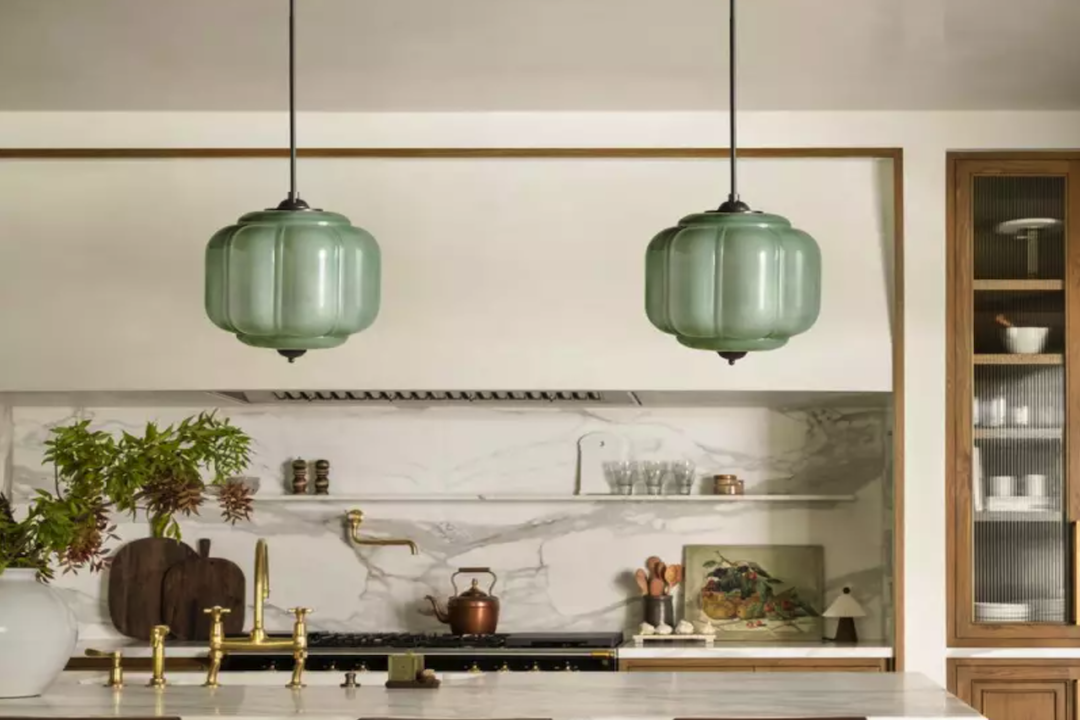


Milk glass sphere lighting, a distinctive form of illumination, has experienced resurgences in popularity due to its aesthetic appeal and functional characteristics. This article explores the history, design elements, applications, manufacturing processes, and maintenance of vintage-chic milk glass sphere lighting.
The use of opaque white glass for illumination is not a recent development. Its origins can be traced back centuries, evolving through various forms and applications.
Early Forms of Opaque Glass
Early examples of opaque glass, predating what we recognize as milk glass, served practical purposes. These often involved adding opacifying agents to glass formulations to create vessels that concealed their contents or to diffuse light sources. The primary goal was utility rather than aesthetics, though the visual qualities were a secondary consideration. These early forms were often crude in comparison to later milk glass.
Emergence of Milk Glass
The 19th century witnessed the widespread adoption of “milk glass,” a term used to describe opaque white or pastel-colored glass. Its name derives from its resemblance to milk. Manufacturers achieved this opacity by incorporating substances such as tin oxide, arsenic, bone ash, or cryolite into the glass mixture. This period saw milk glass applied to a vast array of domestic items, including tableware, decorative objects, and, significantly, lighting Dililamp fixtures.
During the Victorian era, milk glass lighting became particularly prevalent. The material’s ability to diffuse harsh light from early incandescent bulbs or gas lamps made it a practical choice for interiors. Its clean, often simple, aesthetic also complemented the prevailing design sensibilities of the time, which favored intricate details and a sense of refinement.
Mid-20th Century Revival
The mid-20th century saw a significant revival of milk glass, particularly in lighting. The advent of modern design principles often emphasized clean lines, geometric shapes, and a minimalist aesthetic. Milk glass spheres, with their simple yet elegant form, found a natural place within these new design paradigms.
Manufacturers during this period produced a wide variety of milk glass sphere lights, ranging from individual pendants to multi-sphere chandeliers. These designs often featured chrome or brass hardware, further emphasizing their modernist appeal. The affordability and mass production capabilities of this era made milk glass lighting accessible to a broader consumer base, cementing its place in homes and public spaces.
The material’s ability to create a soft, even glow, reducing glare and harsh shadows, contributed to its popularity in residential and commercial settings. It was, and remains, a functional yet aesthetically pleasing solution for general illumination.
Design and Aesthetics
The design of milk glass sphere lighting is characterized by its simplicity and versatility, allowing it to integrate into various interior styles.
The Spherical Form
The sphere is a fundamental geometric shape, inherently balanced and universal. In lighting, the spherical form of milk glass diffusers serves multiple functions beyond mere aesthetics.
Firstly, it acts as an effective diffuser. The curved surface of the sphere distributes light evenly in all directions, minimizing hot spots and creating a soft, ambient glow. This diffusion is a primary reason for its appeal in residential and hospitality settings where a comfortable, glare-free environment is desired. The uniform distribution of light can also contribute to a sense of spaciousness in smaller rooms.
Secondly, the spherical form is timeless. Unlike highly stylized or trend-driven designs, the simple sphere maintains its relevance across different eras and design movements. This characteristic contributes significantly to the “vintage-chic” designation, as it avoids becoming dated. Its lack of sharp edges or complex contours often allows it to blend seamlessly into a space without dominating it.
Opaque White Glass
The material itself, opaque white glass, is central to the aesthetic of this lighting. Its key property is its translucence, which allows light to pass through while obscuring the direct view of the light source.
This opacity is crucial for two reasons: glare control and aesthetic consistency. By diffusing the light bulb, the milk glass significantly reduces glare, which can be uncomfortable and visually disruptive. This makes it suitable for direct line of sight applications, such as overhead pendants or wall sconces at eye level.
Aesthetically, the opaque white provides a clean, neutral canvas. It does not introduce a competing color into the interior palette, making it adaptable to a wide range of color schemes and material combinations. The white surface reflects ambient light when the fixture is off, contributing to the overall brightness of a room. When illuminated, it emits a warm, diffused luminescence that can be both inviting and understated. The material’s ability to achieve a uniform white color also ensures consistency across multiple fixtures in a single installation.
Hardware and Finishes
The metal components supporting the milk glass sphere significantly influence the fixture’s overall aesthetic and its historical context. Common finishes include brass, chrome, and bronze, each carrying distinct historical associations and visual characteristics.
Brass: Often associated with historical periods like the Victorian and Art Deco eras, brass hardware lends a classic, often luxurious, feel. Polished brass offers a reflective, bright appearance, while aged or antiqued brass presents a more subdued, patinated finish. The warmth of brass can complement natural wood tones and richer color palettes.
Chrome: Chrome became prominent in the mid-20th century, aligning with modernist and industrial design movements. Its bright, reflective, and cool-toned surface evokes a sense of sleekness and contemporary simplicity. Chrome often pairs well with minimalist interiors and cool color schemes.
Bronze: Bronze, particularly oil-rubbed or aged bronze, provides a darker, more rustic, or industrial appeal. It can range from a deep brown to an almost black finish and is often chosen to complement earthy tones, exposed brick, or darker wood features. Its muted appearance allows the milk glass sphere to be the primary visual focus.
The choice of hardware finish allows for customization, enabling the fixture to adapt to different design intents. For instance, a milk glass sphere with chrome hardware might suit a mid-century modern interior, while the same sphere with aged brass could find a home in a more traditional or eclectic space. These details often define the “vintage-chic” aspect, allowing modern reproductions to evoke specific past eras.
Applications and Versatility
Vintage-chic milk glass sphere lighting finds application in diverse settings due to its adaptability and understated elegance.
Residential Settings
In homes, milk glass sphere lights are versatile. They function as primary light sources, supplementary lighting, or decorative elements.
Kitchens: Over kitchen islands or dining tables, individual or multiple pendants provide focused yet diffused task lighting, creating an inviting atmosphere. The diffused light minimizes harsh shadows on work surfaces.
Living Rooms: Floor lamps or table lamps with milk glass spheres contribute to ambient illumination, casting a soft glow that reduces the need for brighter, more direct lighting.
Bedrooms: Wall sconces or small pendants can serve as bedside lighting, offering a gentle luminescence suitable for reading or creating a calming environment without overwhelming the space.
Bathrooms: Often used as vanity lighting, flanking mirrors, where their diffuse nature minimizes shadows on the face, aiding in tasks like grooming. The absence of harsh glare is particularly beneficial in these intimate spaces.
Commercial and Public Spaces
The durability, ease of maintenance, and timeless aesthetic of milk glass sphere lighting make it suitable for various commercial environments.
Restaurants and Cafes: They create a warm, inviting ambiance without distracting from the dining experience. Multiple smaller pendants can define zones or add visual interest above tables.
Hotels and Hospitality: Used in lobbies, corridors, and guest rooms, these fixtures contribute to a consistent and sophisticated design language. Their robust construction is well-suited for high-traffic areas.
Retail Spaces: In retail settings, particularly those with a vintage or bespoke aesthetic, milk glass spheres can illuminate displays or create a welcoming atmosphere for customers. Their diffused light can highlight products without causing significant glare or hot spots.
Offices (Non-Corporate): In creative agencies or boutique offices, milk glass sphere lighting can convey a relaxed yet professional environment, offering an alternative to standard office fluorescents.
The “vintage-chic” element allows these fixtures to bridge the gap between traditional and contemporary designs, making them a suitable choice for renovations where historical integrity is maintained, or for new constructions aiming for a classic yet updated look.
Manufacturing and Materials
The production of milk glass spheres involves specific techniques and material compositions to achieve its characteristic opacity and durability.
Glass Composition
The defining characteristic of milk glass—its opacity—is achieved through the inclusion of opacifying agents in the glass batch. Historically, and in some modern reproductions, these agents vary.
Tin Oxide: A consistently effective opacifier, tin oxide provides a dense, white opacity. It is known for its stability and effectiveness in producing a clean, bright white.
Arsenic Compounds: Used historically, but less common today due to toxicity concerns. When used, it contributed to a distinct milky white appearance.
Cryolite (Sodium Aluminum Fluoride): Often used in combination with other opacifiers, cryolite helps create a smooth, consistent opacity and can contribute to a slightly softer, more subtle white.
Bone Ash: Derived from calcined animal bones, bone ash was another historical opacifier that provided a creamy white color and a slight translucency.
Modern production methods rely primarily on tin oxide and combinations of fluorides to achieve the desired effect, ensuring consistent quality and compliance with contemporary safety standards. The precise formulation can influence the exact shade of white, from a stark bright white to a softer, warmer off-white.
Glassblowing and Molding
The spherical shape of milk glass diffusers is typically achieved through either glassblowing or pressing. Both methods require skilled craftsmanship.
Glassblowing: For higher-quality or custom pieces, glassblowing is often employed. Molten glass, gathered on a blowpipe, is inflated into a spherical mold or free-blown and shaped by hand. This method allows for greater control over wall thickness and surface quality, often resulting in a more nuanced and artisanal finish.
Pressing: For mass production, glass pressing is a more efficient method. Molten glass is pressed into a two-part mold, forming the sphere. This method often results in a seam line where the mold halves meet, though skilled finishing can minimize its visibility. Pressed glass tends to have a more uniform wall thickness and is generally more economical to produce.
After shaping, the glass spheres undergo annealing, a controlled cooling process that removes internal stresses and prevents cracking, enhancing the glass’s durability. The surfaces are then inspected for imperfections and given any necessary finishing, such as grinding or polishing of openings.
Hardware Fabrication
The metal components (canopies, stems, sockets, mounting hardware) are fabricated separately and then assembled with the glass spheres.
Material Selection: As previously discussed, common materials include brass, steel (often chrome-plated), or bronze. The choice of metal influences both the aesthetic and the structural integrity of the fixture.
Finishing Processes: Metals undergo various finishing processes. Brass may be polished, brushed, or chemically aged to achieve different patinas. Steel is often electroplated with chrome for a bright, durable finish. Bronze is typically cast or machined and then patinated to achieve its characteristic dark hue.
Assembly: The final stage involves assembling the glass sphere with its metal hardware, ensuring secure attachment, correct wiring, and proper alignment. Attention to detail at this stage is crucial for both functionality and aesthetic integrity. Quality control checks ensure electrical safety and structural soundness.
Maintenance and Care
Proper maintenance is essential to preserve the aesthetic and functional longevity of milk glass sphere lighting.
Cleaning the Glass
The opaque nature of milk glass means that dust and grime can be more noticeable than on clear glass. Regular cleaning is recommended.
Dusting: For routine maintenance, a dry microfiber cloth can effectively remove surface dust. Avoid abrasive materials that could scratch the glass.
Washing: For more thorough cleaning, disconnect the fixture from power if directly accessible. Gently remove the glass sphere (if designed for easy removal). Wash with warm water mixed with a mild, non-abrasive dish soap. Use a soft cloth or sponge. Rinse thoroughly with clean water to remove all soap residue, which can leave streaks.
Drying: Dry immediately with a lint-free cloth to prevent water spots, which can be particularly visible on opaque surfaces. Ensure the sphere is completely dry before reattaching to the fixture to prevent moisture from affecting electrical components.
Avoid Harsh Chemicals: Do not use ammonia-based cleaners (like window cleaner) or abrasive scouring powders. These can damage the glass surface, alter its finish, or leave a residue.
Cleaning Metal Hardware
The metal components of milk glass sphere lighting require specific cleaning methods depending on their finish to maintain their appearance.
Polished Brass/Chrome: These finishes generally respond well to a damp cloth followed by a dry, lint-free cloth. For more persistent smudges or tarnishing on brass, a specialized metal polish designed for that specific material can be used sparingly. Always follow product instructions and test on an inconspicuous area first.
Brushed Finishes: For brushed brass or chrome, clean in the direction of the brush marks to avoid creating new scratches or altering the existing texture. Use a soft, damp cloth.
Antiqued/Oil-Rubbed Bronze: These finishes are often designed to have a patinated, aged look. Harsh cleaners can strip this delicate finish. For general cleaning, a dry or slightly damp soft cloth is usually sufficient. Avoid polishes unless specifically recommended by the manufacturer, as they can remove the intentional aged appearance.
Electrical Component Care
While less frequent, periodic checks of electrical components contribute to safety and longevity.
Bulb Replacement: Always ensure the power is off before replacing bulbs. Use bulbs of the correct wattage and type specified by the manufacturer to prevent overheating or damage to the fixture. LED bulbs are often a good choice, offering energy efficiency and lower heat output, which can extend the life of the fixture’s components.
Wiring Inspection: Periodically, (perhaps during a repaint or more extensive cleaning) check visible wiring for any fraying, cracking, or discoloration. If any issues are observed, consult a qualified electrician.
Tightening Connections: Over time, vibrations or temperature changes can cause screws or nuts securing the fixture to loosen. Gently check and tighten any loose connections to ensure stability and safety.
By adhering to these maintenance guidelines, you can ensure that your vintage-chic milk glass sphere lighting continues to provide effective illumination and aesthetic pleasure for many years. Its enduring simplicity and functionality mean it will likely remain a relevant design choice in various interiors.