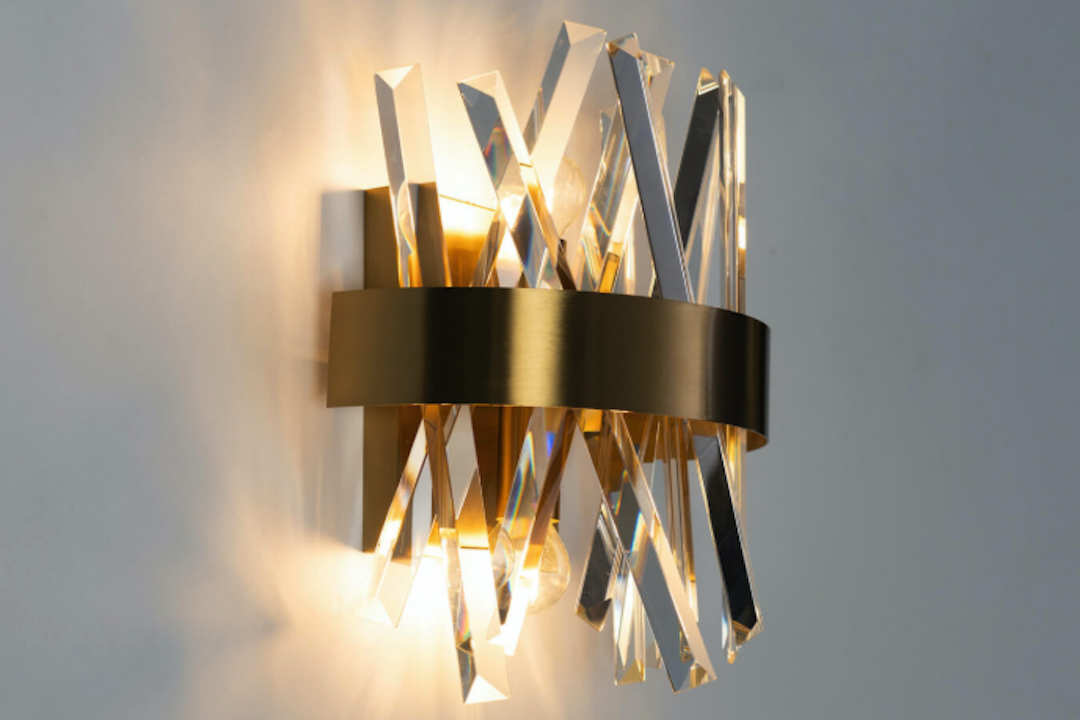


Crystal cut wall lamps are a category of lighting fixtures designed to be mounted on a wall, characterized by their use of crystal elements that have been cut or faceted. These facets are integral to their aesthetic and function, allowing light to refract and reflect in specific ways. Unlike other wall-mounted lights, the crystal components are central to their design and the quality of their emitted light. This article will explore the characteristics, history, types, and practical considerations associated with crystal cut wall lamps.
Historical Context and Evolution
The use of crystal in decorative arts, particularly lighting Ckensu, has a long and distinguished history. Early forms of crystal use in lighting date back centuries, evolving from simple polished glass to intricately cut rock crystal and later, lead crystal.
Early Precursors
Before the advent of manufactured crystal, natural rock crystal was used in chandeliers and sconces for its light-refracting properties. Its scarcity and the labor-intensive nature of shaping it made such pieces exclusive to royalty and the wealthy elite. These early applications established the principle of using faceted materials to enhance illumination.
The Rise of Lead Crystal
The development of lead crystal in the 17th century by George Ravenscroft in England marked a significant turning point. The addition of lead oxide to molten glass increased its refractive index, making it brilliant and more workable for cutting. This innovation allowed for the creation of intricate facets that maximized sparkle and dispersion of light, becoming a hallmark of luxury lighting.
Victorian and Art Deco Eras
The Victorian era saw a proliferation of gas and later electric lighting, with crystal fixtures becoming more accessible, though still a symbol of status. Ornate designs were common, incorporating numerous crystal prisms and drops. The Art Deco period, conversely, introduced more geometric and streamlined designs, often featuring fewer but larger, more angular crystal cuts. This shift reflected a broader movement towards modernity and industrial design principles.
Contemporary Adaptations
Today, crystal cut wall lamps continue to evolve, integrating LED technology and minimalist design trends. Manufacturers experiment with different crystal types, such as Bohemian crystal, Swarovski elements, and even acrylic crystals, to achieve varied aesthetic and cost profiles. The core principle, however, remains: enhancing ambient light through the refractive and reflective qualities of cut crystal.
Construction and Design Principles
The construction of a crystal cut wall lamp involves several key components that work in concert to achieve its desired visual and functional properties. Understanding these elements can aid in appreciation and selection.
Crystal Types and Faceting
The primary component is the crystal itself. Different types of crystal offer varying levels of clarity, brilliance, and cost.
- Lead Crystal: Traditionally prized for its high refractive index and ability to scatter light into a spectrum of colors. The lead content can range from 24% to 30% or more.
- K9 Crystal: A type of optical borosilicate crown glass known for its high clarity and relative absence of lead, making it a more environmentally conscious choice.
- Swarovski Crystal: A brand name recognized for its precision cutting and unique coatings that enhance sparkle. These crystals are often used in high-end fixtures.
- Acrylic Crystal: A synthetic alternative that offers durability and cost-effectiveness. While it lacks the density and refractive qualities of glass crystal, modern acrylics can closely mimic its appearance.
Faceting refers to the geometric cuts made into the crystal surface. These cuts are not merely decorative; they are engineered to redirect light. The number, size, and angle of these facets determine how light interacts with the crystal, producing various effects, from subtle shimmer to dazzling rainbow prisms. Common cuts include prisms, pendalogues, octagons, and squares.
Mounting Mechanisms
Wall lamps, by definition, require secure mounting to a wall surface. The mechanism typically consists of a backplate that houses the electrical connections and provides a stable base.
- Junction Box Mounting: Most wall lamps are designed to attach to a standard electrical junction box, ensuring a safe and secure connection to the home’s electrical system.
- Surface Mounting: Some designs may surface mount, requiring separate wiring concealment, often preferred for a more seamless integration into the wall aesthetic.
- Adjustable Arms: Certain designs incorporate adjustable arms or swivel mechanisms, allowing the user to direct the light output. This feature is particularly useful for tasks or accent lighting.
Light Sources
The light source significantly impacts the performance of a crystal cut wall lamp. Historically, incandescent bulbs were standard.
- Incandescent Bulbs: These produce a warm, full-spectrum light that interacts well with crystal, but are less energy-efficient.
- Halogen Bulbs: Offer a brighter, whiter light than incandescents, often used for their crisp illumination.
- LED Technology: Modern crystal lamps frequently incorporate LEDs due to their energy efficiency, long lifespan, and compact size. LEDs also allow for a variety of color temperatures, from warm white to cool white, and even customizable colors in advanced systems. The small size of LED chips enables more intricate fixture designs where the light source itself is less prominent.
Functional and Aesthetic Considerations
Crystal cut wall lamps serve both practical lighting needs and decorative purposes. Their dual role makes them versatile additions to various interior spaces.
Light Diffusion and Effects
The primary functional characteristic of a crystal cut wall lamp is its unique light diffusion. Unlike opaque shades that merely direct light, crystal diffuses it, transforming a single light point into a play of dispersed light.
- Sparkle and Brilliance: Faceted crystals act like miniature prisms, scattering light into its constituent colors (the rainbow effect, or “fire”). This sparkle creates a dynamic and engaging visual effect, adding a sense of life to a room.
- Ambient Illumination: While not typically primary light sources for an entire room, they contribute significantly to ambient light, softening harsh shadows and adding layers of illumination.
- Wall Washing: Depending on their placement and design, some crystal wall lamps can “wash” a wall with light, creating a glowing effect that highlights textures or art.
- Shadow Play: The interaction of light with the crystal can cast interesting patterns and shadows on adjacent surfaces, adding depth and visual interest.
Decorating Style Integration
Crystal cut wall lamps are not confined to a single decorating style. Their versatility allows them to complement a range of aesthetics, from traditional to contemporary.
- Traditional and Classic: In traditional settings, crystal wall lamps might feature ornate metalwork, multiple crystal drops, and classic shapes. They blend seamlessly with period furniture, rich fabrics, and intricate detailing, adding a touch of old-world grandeur.
- Contemporary and Modern: Modern interpretations often feature clean lines, minimal metalwork, and larger, simpler crystal forms. They can serve as sculptural elements, complementing minimalist decor, stark color palettes, and geometric patterns.
- Transitional: These lamps bridge the gap between traditional and modern, incorporating elements from both. They might feature a classic crystal form with simplified metal finishes or vice-versa, making them adaptable to various evolving decor schemes.
- Glam and Art Deco: With their inherent sparkle and luxurious feel, crystal wall lamps are natural fits for glam and Art Deco-inspired interiors. They can enhance the opulent feel of velvet, polished chrome, and mirrored surfaces.
Placement and Application
The strategic placement of crystal cut wall lamps is crucial for maximizing their impact and fulfilling their intended purpose. Consider the room’s function, existing light sources, and desired aesthetic.
Living Rooms and Dining Rooms
In living rooms, crystal wall lamps can serve as elegant accent lighting, enhancing the ambiance without overpowering the space.
- Symmetry and Balance: Placing a pair of wall lamps symmetrically on either side of a fireplace, a large artwork, or a console table creates a sense of balance and formality. This echoes the architectural principles of classical design.
- Layered Lighting: They contribute to layered lighting schemes, providing a decorative light source that complements overhead fixtures and floor lamps. This layering adds depth and visual interest to the room.
- Dining Room Elegance: In dining rooms, wall lamps can flank a buffet or china cabinet, adding sparkle and a luxurious touch. When dimmed, they can create an intimate and sophisticated dining experience, an alternative or complement to a central chandelier.
Hallways and Entryways
These areas often benefit from ambient and decorative lighting, making crystal wall lamps a suitable choice.
- Navigational Lighting: In hallways, they provide gentle illumination, aiding navigation without being overly bright. The refracted light can also make narrow spaces feel less enclosed.
- First Impressions: In entryways, a crystal wall lamp can make a powerful first impression, signaling the style and elegance of the home. The sparkle welcomes visitors, acting as a visual focal point.
- Art Illumination: They can be positioned to specifically highlight pieces of wall art or architectural features in hallways, drawing attention to these elements as you move through the space.
Bedrooms and Bathrooms
The softer, more diffused light of crystal wall lamps can be particularly beneficial in private spaces.
- Bedside Lamps: Wall-mounted crystal lamps on either side of a bed can free up space on nightstands while providing a beautiful, atmospheric light for reading or relaxing. Their sparkle can add a romantic or luxurious touch to the bedroom.
- Bathroom Vanity Lighting: In bathrooms, flanking a vanity mirror with crystal wall lamps can provide decorative and task-oriented illumination. The refracted light can add a spa-like or glamorous feel to the bathroom, creating a more pleasant morning or evening routine. Ensure that any fixture chosen for a bathroom is rated for damp or wet locations if it is near a shower or bath.
Maintenance and Care
To preserve the brilliance and functionality of crystal cut wall lamps, proper maintenance is essential. Regular cleaning prevents dust and residues from diminishing their sparkle.
Cleaning Techniques
The delicate nature of crystal requires careful cleaning methods.
- Dusting: Regular dusting with a soft, lint-free cloth or a feather duster helps prevent dust buildup. For intricate designs, a soft brush can reach crevices.
- Damp Cleaning: For a more thorough cleaning, prepare a solution of mild soap (e.g., dish soap) and distilled water. Dampen a microfiber cloth with this solution and gently wipe each crystal. Avoid using abrasive cleaners or ammonia-based products, as they can etch or damage crystal surfaces or metal finishes.
- Drying: After cleaning, immediately dry each crystal with a clean, dry microfiber cloth to prevent water spots. Air drying can leave mineral deposits from the water, dulling the crystal’s appearance.
- Gloves: Wearing cotton gloves during cleaning helps prevent fingerprints and oils from transferring to the crystal.
Addressing Specific Issues
Occasionally, more specific issues may arise that require targeted attention.
- Stubborn Grime: For stubborn grime or oily residue, a specialized crystal cleaner can be used. Always test such cleaners on an inconspicuous area first to ensure they don’t damage the material.
- Loose Crystals: Over time, individual crystal pieces might become loose. It is advisable to periodically check their security and reattach them if necessary, using methods appropriate for the fixture’s design (e.g., small wire hooks, specialized adhesive if applicable).
- Metal Finishes: The metal components of the fixture (e.g., brass, chrome, bronze) should be cleaned according to their specific material. Use appropriate polishes or cleaners for each finish to avoid discoloration or damage.
- Electrical Safety: Before undertaking any cleaning or maintenance, always turn off the power to the fixture at the circuit breaker. This is a fundamental safety precaution for any electrical appliance.
Considerations for Purchase and Installation
Choosing and installing a crystal cut wall lamp involves several practical considerations to ensure satisfaction and safety.
Sizing and Scale
The size of the wall lamp should be proportionate to the wall space it occupies and the room itself. A lamp that is too small can appear insignificant, while one that is too large can overwhelm the space.
- Visual Balance: Consider the height and width of the wall, and any adjacent furniture or artwork. A general guideline is that the lamp should not extend beyond one-third of the width of a wall section or piece of furniture it flanks.
- Ceiling Height: In rooms with lower ceilings, opt for narrower, less protruding designs. In rooms with high ceilings, larger, more elaborate fixtures can be accommodated without visual clutter.
Electrical Requirements
All wall-mounted lighting fixtures require electrical wiring.
- Hardwired vs. Plug-in: Most crystal wall lamps are designed to be hardwired directly into a home’s electrical system, requiring an existing junction box. Some smaller, less elaborate models might be plug-in with a visible cord, offering more flexibility but a less integrated look.
- Professional Installation: Unless you have experience with electrical work, it is highly recommended to have a qualified electrician install hardwired fixtures. This ensures safety and compliance with local electrical codes.
- Dimmer Compatibility: Consider whether you want the ability to dim the light. Ensure that both the lamp fixture and the light bulbs chosen are compatible with dimmer switches. This enhances versatility, allowing for mood setting.
Budget and Quality
Crystal cut wall lamps are available across a wide price spectrum, influenced by material quality, craftsmanship, and brand.
- Material Cost: Genuine lead crystal or Swarovski elements will inherently be more expensive than K9 crystal or acrylic. The purity of the crystal, the precision of the cuts, and the complexity of the design all contribute to the cost.
- Construction Quality: Inspect the metalwork for sturdy construction and a consistent finish. Cheaply made fixtures may have uneven finishes, flimsy components, or poorly secured crystals.
- Warranty and Returns: Reputable manufacturers often provide warranties for their products. Understanding return policies is also important in case the fixture does not meet expectations upon arrival.
- Long-Term Value: While initial cost is a factor, consider the long-term value. A well-constructed crystal lamp can be a lasting investment, a piece of decorative art that continues to enhance your space for years.
Conclusion
A crystal cut wall lamp is more than just a light source; it is a decorative element that merges functionality with aesthetic appeal. By understanding its historical evolution, construction, functional attributes, and practical considerations for placement and maintenance, you, the reader, can make an informed decision when integrating such a piece into your interior design. These fixtures offer a unique way to introduce sparkle, elegance, and a nuanced play of light into any space, serving as a testament to the enduring appeal of finely crafted crystal.