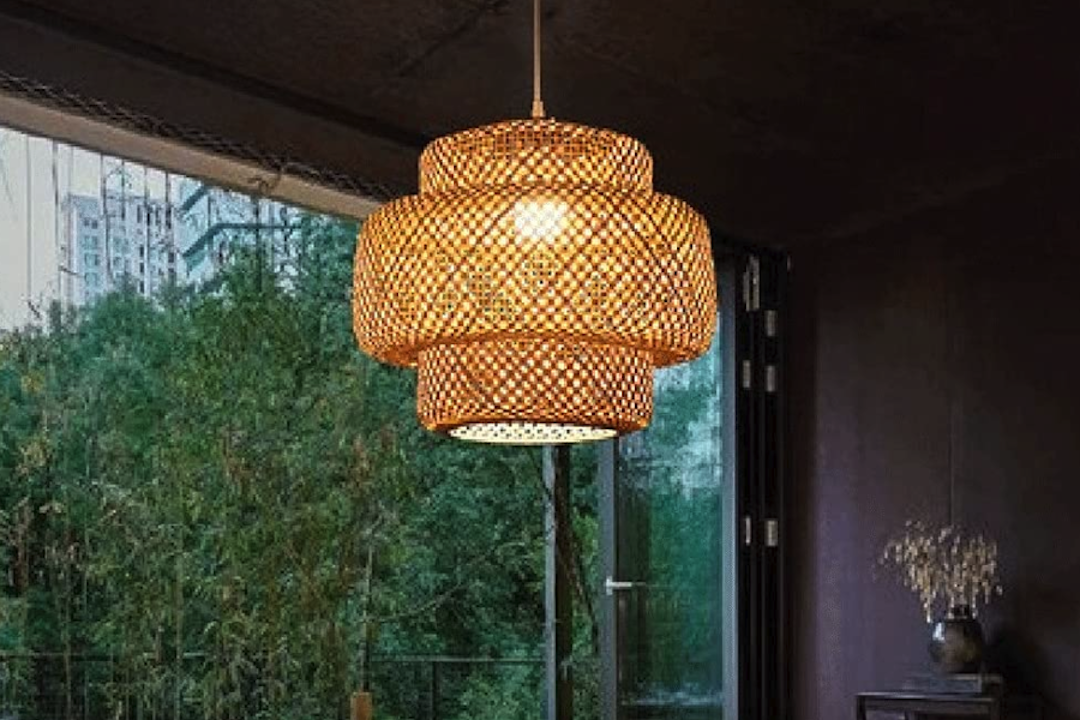


So, you’re wondering if that bamboo weave hanging lantern is really a sustainable choice for your home. The short answer is yes, generally speaking, they are a much more sustainable option compared to many other lighting fixtures on the market. But like anything, the devil’s in the details. It’s not just about the bamboo itself, but also about how it’s sourced, crafted, and even where it ends up after its useful life.
Bamboo isn’t just a pretty plant; it’s an environmental superhero in many ways. Understanding its unique properties helps to grasp why it’s such a favorable material for sustainable products like lanterns Aluredesign.
Rapid Growth and Renewable Resource
Unlike hardwoods that take decades, even centuries, to mature, bamboo grows at an astonishing rate. Some species can grow several feet in a single day! This incredible speed means it can be harvested frequently without depleting resources. It’s a truly renewable resource, making it an excellent alternative to timber from slow-growing forests.
Carbon Sequestration Champion
Bamboo plants are remarkable carbon sinks. They absorb significantly more carbon dioxide from the atmosphere than many other plants, helping to mitigate climate change. As they grow dense, they essentially suck carbon out of the air and store it, contributing to healthier air quality.
Soil Health and Erosion Control
Bamboo’s extensive root system isn’t just for anchoring the plant; it’s a powerful tool for environmental benefit. These roots bind soil together, preventing erosion and improving soil stability. This can be particularly beneficial in areas prone to runoff or where conventional farming practices have degraded the land.
No Need for Harsh Chemicals
Often, bamboo cultivation doesn’t require the same intensive use of pesticides and fertilizers that many conventional crops do. This reduces chemical runoff into water sources and preserves nearby ecosystems, making the entire cultivation process more environmentally friendly.
The Craft of the Weave: Beyond Raw Material
While the raw material is a big part of the sustainability story, how that bamboo is transformed into a lantern also plays a crucial role. This involves human skill, traditional methods, and thoughtful design.
Handcrafted vs. Machine-Made
Many bamboo lanterns are handcrafted by skilled artisans. This process is inherently more sustainable than mass-produced, machine-made items.
Reduced Energy Consumption
Handcrafting typically requires minimal electricity compared to industrial machinery. This means a smaller carbon footprint associated with manufacturing.
Preserving Traditional Skills
Supporting handcrafted items helps to preserve traditional weaving techniques and cultural heritage. It fosters local economies and provides sustainable livelihoods for artisans in communities where these skills have been passed down through generations.
Natural Adhesives and Finishes
The “finish” of the lantern is another area to consider. Ideally, manufacturers use natural or low-VOC (Volatile Organic Compound) adhesives and finishes.
Avoiding Harmful Chemicals
Some conventional glues and paints can off-gas harmful chemicals into your home and the environment. Opting for lanterns finished with natural oils, waxes, or water-based, non-toxic sealants ensures a healthier product for both you and the planet. Look for certifications or product descriptions that specify these details.
Biodegradability Considerations
Natural finishes also contribute to the lantern’s overall biodegradability, making its end-of-life impact less severe.
Local Sourcing and Fair Trade
Understanding the lantern’s journey from plant to product helps ensure true sustainability. Where the bamboo is sourced and how the craftspeople are treated matter.
Minimizing Transportation Footprint
Sourcing bamboo locally to where it’s processed and woven reduces the energy consumption and carbon emissions associated with long-distance transportation. While challenging for a globally traded product, transparency from brands regarding their supply chain is a good sign.
Ethical Labor Practices
Fair trade certification or a commitment from the brand to ethical labor practices ensures that the artisans creating these beautiful lanterns are paid fairly, work in safe conditions, and are treated with respect. This social sustainability aspect is just as important as environmental considerations.
Beyond Production: Lifetime and End-of-Life
A truly sustainable product considers its entire lifecycle, from cradle to grave. This means thinking about how long the lantern will last and what happens to it when you’re done with it.
Durability and Longevity
A product that lasts a long time is inherently more sustainable, as it reduces the need for frequent replacements.
Built to Last
Quality bamboo lanterns, especially those well-woven and made with robust bamboo species, can be quite durable. Their natural flexibility can make them resistant to minor impacts. Proper care, like avoiding prolonged exposure to moisture, will significantly extend their lifespan.
Timeless Design
Opting for a classic or timeless design means your lantern won’t quickly go out of style, further increasing its longevity and reducing the impulse to replace it due to changing trends. This is a subtle but powerful aspect of sustainable consumption.
Repairability and Repurpose-ability
What happens if a part breaks or you simply want a change?
Simple Repairs
Many bamboo weavers can repair minor damages to the weave, or with a bit of DIY skill, small breaks can be fixed. This stands in contrast to complex electronic fixtures that are often impossible to repair.
Upcycling and Repurposing Ideas
Even when a lantern has served its primary purpose, the bamboo can often be repurposed. Perhaps the frame can be used for a plant hanger, or sections of the weave can be incorporated into other crafts. This creative reuse diverts waste from landfills.
Biodegradability and Composting
When the lantern truly reaches the end of its life, its natural components are a strong advantage.
Natural Decomposition
Untreated bamboo (without synthetic finishes) can naturally biodegrade, returning its organic matter to the earth. This is a huge win compared to plastic or metal fixtures that persist for centuries in landfills.
Sustainable Disposal
If your local facilities allow, bamboo can often be composted, especially if it’s free of synthetic glues or paints. This closes the loop on its life cycle in the most environmentally friendly way possible. Check with your local waste management for specific guidelines.
What to Look For When Buying
Navigating the market for sustainable products can be tricky. Here are some practical tips to help you make an informed decision when purchasing a bamboo weave hanging lantern.
Certification and Transparency
Don’t just take a company’s word for it; look for evidence of their claims.
FSC Certification (Forest Stewardship Council)
While bamboo isn’t technically a “forest” product in the same way timber is, some bamboo operations align with FSC principles regarding sustainable land management. Look for this or similar certifications that indicate responsible sourcing.
Fair Trade Labels
These labels guarantee that artisans received fair wages and worked in safe conditions. It’s a crucial indicator of social sustainability.
Brand Transparency
A company that openly shares information about its supply chain, manufacturing processes, and labor practices is a good sign. If they’re vague or unwilling to provide details, it might be a red flag. Look for “about us” pages that tell a compelling story about their commitment to sustainability.
Material Purity and Finish
The simpler, the better, often.
Unfinished or Naturally Finished Bamboo
Opt for lanterns that are unfinished or treated with natural, non-toxic oils, waxes, or water-based sealants. Avoid anything with a high-gloss, chemical-smelling finish.
Minimal Mixed Materials
While some metal or electrical components are inevitable in a light fixture, prioritize lanterns where the primary material is bamboo and where other materials are easily separable for future recycling or disposal. For example, a simple metal wire for hanging is better than complex plastic fittings.
Quality and Construction
A well-made lantern is a sustainable lantern because it lasts longer.
Tight and Even Weave
Inspect the weave. It should be consistent, tight, and without obvious gaps or loose strands. This indicates careful craftsmanship and durability.
Sturdy Frame
If there’s an internal frame, ensure it feels robust and well-integrated into the design. Any wobbling or flimsy components are signs of lower quality.
Reputable Seller Reviews
Check reviews from other buyers, especially those that comment on the product’s longevity and quality. This can give you real-world insights into how the lantern holds up over time.
Considerations and Nuances
While bamboo lanterns are largely sustainable, it’s worth acknowledging that no product is 100% “perfectly” green. There are always trade-offs and aspects to consider.
Shipping and Transportation
Even the most sustainably produced item incurs a carbon footprint during shipping.
Local vs. Imported
If possible, buying a bamboo lantern made in your own country or region significantly reduces shipping emissions. However, this isn’t always practical or accessible, as bamboo is primarily grown in certain climates.
Bulk Shipping Efficiency
Larger, more efficient shipping methods (like cargo ships over air freight) have a lower per-item environmental impact. It’s hard for consumers to control this, but it’s something to be aware of in the broader supply chain.
Electrical Components
A lantern needs to emit light, which involves electrical components.
LED Compatibility
Ensure the lantern is compatible with LED bulbs. LEDs are significantly more energy-efficient and longer-lasting than incandescent or CFL bulbs, dramatically reducing the operational carbon footprint of your lighting.
Replaceable Wiring
Ideally, the electrical components (cord, socket) should be easily replaceable if needed. This allows the beautiful bamboo shade to continue being used even if the electrics fail.
Design Longevity
Fashion and home decor trends change, but true sustainability encourages investment in items with lasting appeal.
Timeless Aesthetics
A simple, elegant bamboo weave design is less likely to go out of style than a highly trendy or ornate piece. Consider if the design will still bring you joy in five or ten years, not just today.
Versatility
Choose a lantern that can adapt to different decor styles. This makes it more likely to stay in your home if your tastes evolve, rather than being discarded.
In summary, a bamboo weave hanging lantern is indeed a highly sustainable choice for lighting your home. Its fast-growing nature, carbon sequestration benefits, often handcrafted production, and natural biodegradability make it an environmentally friendly option. By carefully considering the sourcing, production methods, and end-of-life planning, you can bring a truly sustainable and beautiful piece into your home. Just remember to look for transparency, quality, and commitment from the brands you support.