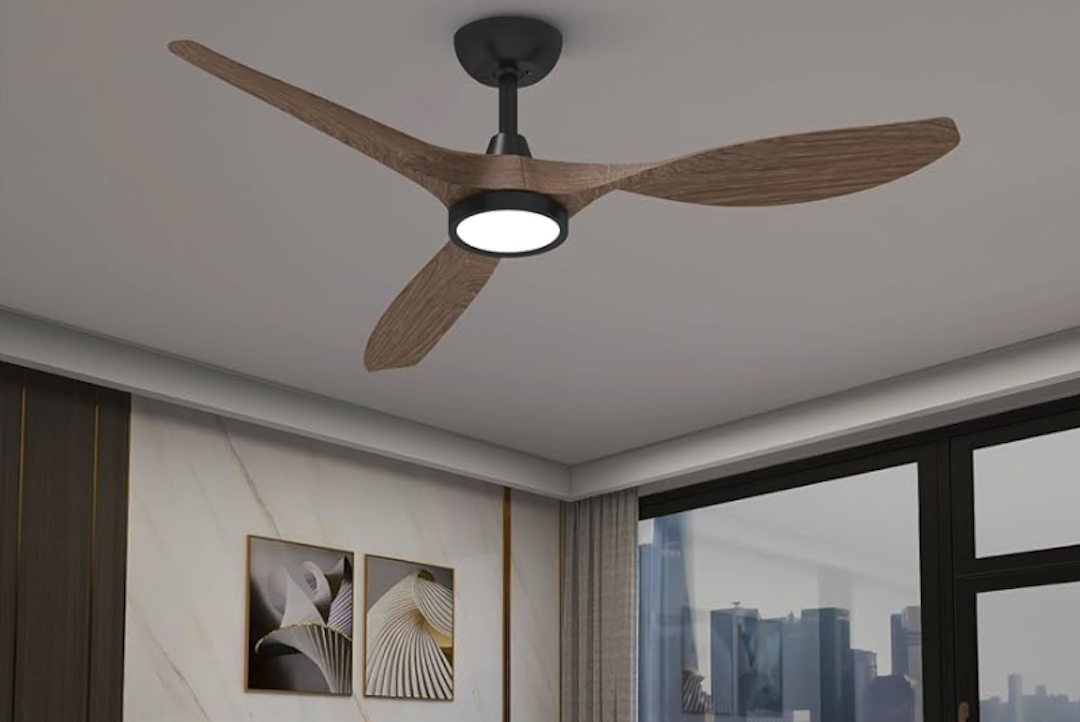


You’re probably wondering if a “silent DC motor” ceiling fan light is really that different, and the short answer is yes, it can be a game-changer for your home. Think of it as the upgrade your old ceiling fan desperately needed, offering a significantly quieter operation and better energy efficiency, all while keeping your room lit.
The core difference between a DC (Direct Current) motor and the traditional AC (Alternating Current) motor found in most older ceiling fans comes down to how they operate and the technology involved. It’s not just a minor tweak; it’s a fundamental shift that impacts performance, noise, and energy use.
The AC Motor: The Old Reliable
Most of us grew up with AC ceiling fans. These motors have been the standard for decades. They work by using alternating current from your home’s electrical supply to create a magnetic field that spins the fan blades.
The DC Motor: A Modern Approach
DC motors in ceiling fans are a newer development, and they’ve really refined the technology. Instead of relying on the grid’s alternating current directly, they use an external or internal transformer (often called a driver) to convert AC power to DC. This allows for more precise control over the motor’s speed and operation.
Efficiency Gains
One of the biggest practical advantages of DC motors is their energy efficiency. They use significantly less electricity to achieve the same or better airflow compared to AC motors. This translates to lower electricity bills over time.
Reduced Noise Signature
The “silent” aspect of these fans is a major selling point, and it’s directly related to the DC motor’s design. The way DC motors are constructed and controlled inherently leads to less mechanical noise.
Beyond the Motor: What Elevates a “Silent” Fan?
While the DC motor is the star of the show for silence and efficiency, a truly great “silent” ceiling fan light Xlightings integrates several other design and technological elements to ensure a quiet and effective experience. It’s a holistic approach to air movement and illumination.
Blade Design and Material
The shape, size, angle, and material of the fan blades play a crucial role in how quietly and effectively the fan moves air.
Aerodynamics Matter
Fan blades aren’t just flat pieces of plastic or wood. They’re meticulously designed to be aerodynamic, much like airplane wings. This design minimizes air resistance and turbulence, which are major contributors to fan noise.
Material Choices
The material of the blades also impacts noise. Lighter, more rigid materials can vibrate less, leading to quieter operation. You’ll find blades made from materials like ABS plastic, engineered wood, or treated metal.
Mounting and Wobble Prevention
Even with a perfect motor and blades, a fan that wobbles will create noise. Manufacturers put a lot of effort into ensuring a stable and secure installation.
Balanced Components
Each component of the fan, from the motor housing to the blades, is precisely balanced to minimize vibrations.
Robust Mounting Kits
The hardware used to attach the fan to the ceiling is also critical. Higher-quality mounting brackets and downrods reduce the chances of the fan shifting or rattling.
Light Kit Integration and Design
The light kit itself needs to be designed with quiet operation in mind.
Bulb Type and Heat
The type of bulb used can affect noise. Some older fluorescent bulbs could hum, but modern LED technology is largely silent. Heat generated by the bulbs can also cause materials to expand and contract, potentially leading to minor creaks. Well-designed light kits manage heat effectively.
Diffuser Material
The material of the light diffuser (the cover that softens the light) can also play a role. Some materials might resonate or rattle if not secured properly.
The Benefits of a Quiet Ceiling Fan Light
When you combine a silent DC motor with thoughtful design, the benefits extend beyond just having a cooler room and a brighter light. The impact on your living space can be surprisingly significant.
Improved Sleep Quality
This is a big one for most people. A fan that creates a constant, low hum can be disruptive to sleep, especially for light sleepers. A silent fan provides gentle air circulation without the distracting noise, leading to more restful nights.
Enhanced Focus and Productivity
Whether you’re working from home, studying, or just trying to concentrate on a book, a noisy fan can break your concentration. A quiet fan provides a consistent, unobtrusive airflow that can actually aid focus by masking other ambient noises.
A More Peaceful Home Environment
Imagine being able to enjoy a quiet conversation, watch a movie with clear dialogue, or simply relax without the background drone of a traditional fan. These silent fans contribute to a calmer and more serene atmosphere in your home.
Reduced Energy Consumption
As mentioned, DC motors are far more energy-efficient. This isn’t just about saving money, though that’s a welcome bonus. It’s also about reducing your environmental footprint.
Superior Airflow Control
DC fans often come with a wider range of speed settings, typically more than the standard “low, medium, high” of AC fans. This allows for finer tuning of airflow to match your specific needs.
User Experience and Features to Look For
When you’re shopping for a silent DC motor ceiling fan light, there are specific features and user experiences that set the good ones apart from the merely adequate.
Remote Control Functionality
Most silent DC motor fans come with a remote control, which is convenient for adjusting speed, direction, and light settings without having to get up.
Intuitive Controls
A good remote control is easy to understand and use. You shouldn’t need a manual to change the fan speed.
Smart Home Integration
Increasingly, these fans are also integrating with smart home systems like Alexa, Google Assistant, or Apple HomeKit, allowing for voice control and automation.
Reversible Airflow (Winter Mode)
This is a standard feature on most modern ceiling fans, but it’s particularly useful on DC models. In the winter, you can reverse the blade direction to push warmer air accumulated at the ceiling back down into the room, helping to circulate heated air and reduce your reliance on the heating system.
Dimmable LED Lighting
The LED light kits on these fans are usually dimmable. This allows you to set the mood and control the brightness according to the time of day or your activity.
Fan Speed Range and Precision
Look for a fan that offers a good number of speed settings. DC motors excel here, often providing 5, 6, or even more distinct speed levels, allowing for very subtle adjustments in airflow.
Motor Lifespan and Warranty
Given the more advanced technology, it’s worth looking into the motor’s expected lifespan and the manufacturer’s warranty. A longer warranty can be a good indicator of the manufacturer’s confidence in their product.
Addressing Potential Downsides and Considerations
While silent DC motor ceiling fan lights offer many advantages, it’s always wise to consider any potential drawbacks or unique aspects you’ll need to get used to.
Initial Cost
Generally, DC motor ceiling fan lights tend to have a higher upfront cost compared to their traditional AC counterparts. This is due to the more complex technology and manufacturing processes involved. However, the long-term energy savings can often offset this initial investment over time.
Reliance on the Driver/Transformer
The DC motor requires a driver or transformer to convert AC power to DC. If this component fails, the fan will stop working. While these components are typically reliable, it’s something to be aware of. Replacement might be a bit more involved than with a simple AC motor.
Compatibility with Wall Dimmers
Traditional AC ceiling fans are often designed to be used with standard wall dimmers. However, DC motor fans, with their built-in drivers, are usually not compatible with standard wall dimmers. You’ll typically control the fan and light through the provided remote control or a dedicated wall control that comes with the fan. Attempting to use a standard dimmer can damage the fan’s electronics.
Installation Complexity
While not significantly more complex than installing a standard ceiling fan, you’ll want to ensure you follow the manufacturer’s instructions closely, especially regarding the wiring of the DC driver. If you’re not comfortable with basic electrical work, it’s always best to hire a qualified electrician.
Sound Perception is Subjective
While these fans are designed to be very quiet, the perception of sound is personal. What one person considers “silent,” another might still perceive as a very faint noise. For most people, however, the reduction in noise is substantial and highly appreciated. It’s worth checking reviews and, if possible, experiencing one in person before making a decision, though this can be challenging.
Conclusion: The Smart Investment for a Quieter Home
In essence, a silent DC motor ceiling fan light isn’t just about moving air and providing illumination; it’s about investing in a more comfortable, energy-efficient, and peaceful living environment. The technology behind these fans has advanced significantly, moving them from a niche product to a highly desirable upgrade for anyone seeking a refined home experience. While the initial price point might be higher, the benefits in terms of reduced energy bills, improved sleep, and overall home atmosphere make them a compelling choice for the modern homeowner.
The integration of quiet operation, energy savings, and versatile control options presents a clear advantage over older AC models. When you factor in the enhanced airflow control and the addition of functional, often dimmable LED lighting, these fans offer a comprehensive solution for your comfort needs. Therefore, for those looking to elevate their living space with technology that truly enhances daily life, a silent DC motor ceiling fan light is a practical and increasingly accessible option.