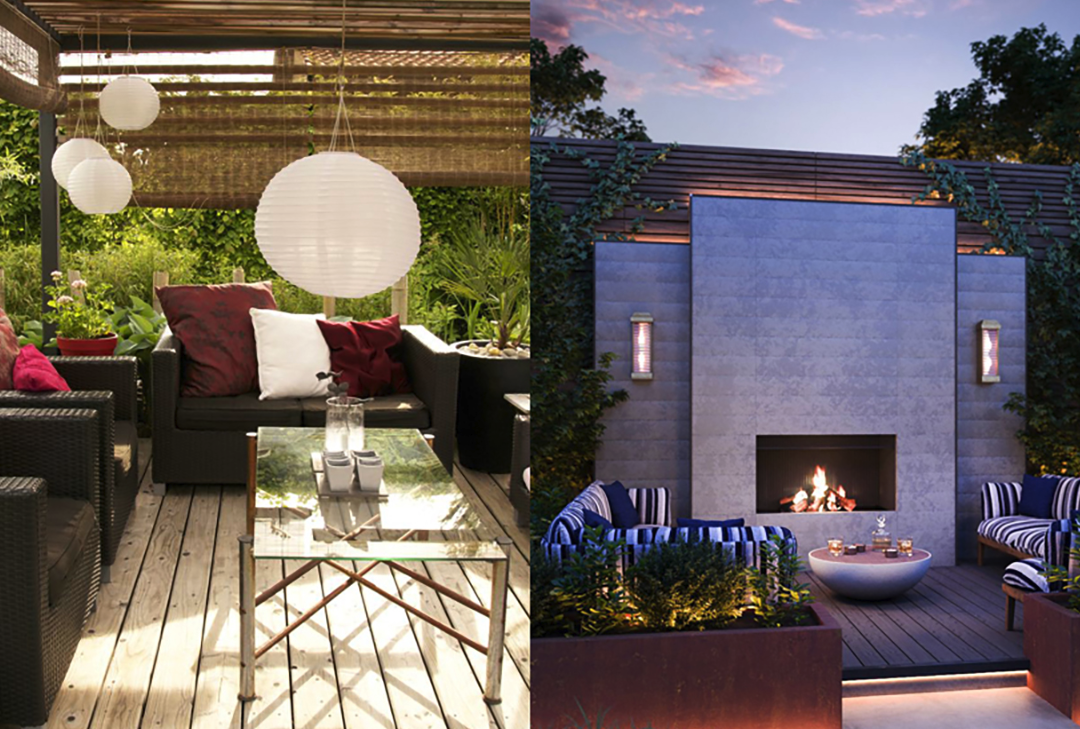


So, you’re looking to add some ambiance to your balcony dining experience with low-profile patio lamps? Smart move. You want to create a cozy atmosphere for those evening meals without anything that feels intrusive or overwhelming. It’s all about subtle illumination that enhances your space, not dominates it.
The Importance of Low-Profile Lighting for Balcony Dining
Let’s be honest, balcony spaces can be… cozy. And by cozy, I mean sometimes a bit limited in square footage. That’s where low-profile patio lamps shine. They’re designed to be discreet, blending into the background rather than shouting for attention. This is crucial when you’re trying to set a mood for dining. You don’t want a towering lamp 88off blocking your view or making you feel like you’re under a spotlight. Low-profile means the light source itself is either very close to the ground, integrated into furniture, or shaped to be unobtrusive. It’s about creating pools of light, not flooding the entire area. Think of it as adding a touch of warmth and definition to your dining nook, making it feel more intimate and inviting.
Choosing the Right Low-Profile Lamps: Key Considerations
When you’re hunting for the perfect low-profile patio lamps for your balcony dining setup, a few things are worth keeping in mind. It’s not just about grabbing the first thing you see; a little thought goes a long way in creating a functional and aesthetically pleasing space.
Size and Scale
This is probably the most obvious one, but it bears repeating. For balcony dining, you’re generally looking at smaller scale options. Think about the dimensions of your balcony, your dining table, and the seating. A lamp that’s too large will dwarf your dining area and make it feel cramped. Conversely, a lamp that’s too small might get lost and not provide enough usable light.
Measuring Your Space
Before you even start browsing, take a tape measure to your balcony. Know the length and width, and also consider the height of any existing features like railings or furniture. This will give you a realistic idea of what will fit without feeling awkward.
Table Clearance
If you’re considering a table lamp, make sure it won’t obstruct anyone’s view or elbow room. A lamp that’s too tall might be a head-knocker. You want the light source to be at a comfortable level, typically below eye level when seated.
Light Output and Color Temperature
This is where the ambiance really comes into play. The brightness and hue of your light can drastically change the feel of your balcony.
Lumens: Less is More
For balcony dining, you’re generally not looking for floodlights. You want enough light to see your food and your companion, but not so much that it’s glaring. Look for lamps with lower lumen outputs – typically in the 200-500 lumen range for accent or dining table lighting. This provides a soft, inviting glow.
Warm vs. Cool Light
This is a big one for setting a mood. For dining, you almost always want warm white light. This is typically in the 2000-3000 Kelvin range. It mimics candlelight or a cozy fireplace, making food look more appealing and creating a relaxed atmosphere. Cool white light (above 4000K) can feel sterile and is better suited for task lighting, not dining.
Power Source: Corded, Battery, or Solar?
How you power your lamps will influence where you can place them and the ongoing effort required to keep them lit. Each has its pros and cons for a balcony setting.
Corded Options
These offer consistent power and are usually the brightest. However, you need to be mindful of cord management. Wires running across your balcony can be a tripping hazard and an eyesore.
Managing Cords Discreetly
If you go with corded lamps, think about how you’ll hide the wires. Can they run along the wall? Can they be tucked under outdoor rugs? Are there clips or channels you can use to keep them neat and out of the way? Consider outdoor-rated extension cords if your outlet isn’t nearby.
Battery-Powered Lamps
These offer the ultimate flexibility in placement, as there are no cords to worry about. This is fantastic for making your balcony dining area feel truly integrated and clutter-free.
Rechargeable Batteries
For battery-powered options, rechargeable is the way to go. You’ll save money in the long run and reduce waste compared to disposable batteries. Make sure they have a decent battery life for an entire evening.
Durability of Battery Life
Check the manufacturer’s specifications for how long the battery will last on a single charge. You don’t want your mood lighting to die out halfway through dinner.
Solar-Powered Lamps
Solar lamps are an eco-friendly and often very low-maintenance choice. They charge during the day and then automatically turn on at dusk.
Placement for Maximum Sun Exposure
The effectiveness of solar lamps hinges entirely on sunlight. You’ll need to place them in areas that receive direct sunlight for the majority of the day. This might limit your placement options on a balcony, especially if it’s shaded.
Consistency and Reliability
Be aware that solar lamps can be less reliable on cloudy days or during shorter winter days. Their performance can fluctuate based on weather conditions.
Types of Low-Profile Lamps for Balcony Dining
When we talk about low-profile, there’s a whole spectrum of designs that fit the bill. It’s about finding what works best for your specific setup and aesthetic.
Ground and Stake Lights
These are designed to sit directly on the ground or be staked into planters. They’re perfect for creating subtle lighting at the edges of your balcony or around potted plants.
Subtle Edging
Placing these along the perimeter of your balcony can create a beautiful, illuminated border. This helps define the space and adds a touch of magic without being in your face.
Illuminating Greenery
If you have plants on your balcony, stake lights can highlight their textures and colors, turning them into a beautiful feature after dark.
Tabletop Lamps
These are specifically designed to sit on your dining table. The key here is that they are compact and don’t take up too much valuable dining real estate.
Compact and Stable Designs
Look for lamps that are narrow or have a small footprint. A wider base can provide stability, which is important if your table is prone to wobbling.
Integrated Light Sources
Many modern tabletop lamps have LED lights integrated into the design, meaning there’s no separate bulb to worry about and the light is often diffused evenly.
String Lights and Fairy Lights
While not always strictly “low-profile” in terms of the light source itself, the way they are deployed can create a low-profile effect. They hang above or around your dining area, casting a soft glow.
Overhead Ambiance
Draping string lights above your dining table can create a canopy of light, making the space feel more intimate and enclosed.
Choosing Bulb Spacing
The spacing of the bulbs in string lights affects the overall light density. Closer bulbs mean more light, while wider spacing offers a more subtle sparkle.
Railing or Planter Integration
Weaving fairy lights around your balcony railing or through planters can add a whimsical touch without taking up table space.
Lanterns
Lanterns offer a classic and versatile way to bring light to your balcony. Many modern outdoor lanterns are designed to be compact and are often battery-powered or solar.
Diffused Glow
The enclosed nature of lanterns naturally diffuses light, creating a softer, more ambient effect than bare bulbs.
Material Matters
Consider the material of the lantern. Metal can be more durable, while glass offers a more refined look. Ensure it’s rated for outdoor use to withstand the elements.
Portable and Movable
Many lanterns are designed to be easily carried and repositioned, giving you flexibility in how you illuminate your dining area.
Placement Strategies for Optimal Balcony Dining Ambiance
Where you put your lamps is just as important as the lamps themselves. Strategic placement can make all the difference in creating that perfect dining atmosphere.
Around the Dining Area
This is the most direct approach. You want light that enhances your dining experience without getting in the way.
On the Table
As mentioned, a small, stable tabletop lamp is ideal. It provides focused light for your food and can create a lovely centerpiece.
Avoiding Glare on Plates
Position the lamp so the light shines down and slightly outwards, avoiding direct glare onto your plates, which can be distracting.
Nearby Surfaces
If you have any small shelves or ledges on your balcony, a compact lamp or even a cluster of small lanterns can add layered light.
Defining the Space
Use light to subtly outline your balcony’s dining zone, especially if it’s part of a larger outdoor area.
Edging the Balcony
Ground lights or a string of fairy lights along the railing can create a beautiful border, making your dining area feel like its own distinct space.
Keeping it Unobtrusive
Ensure any lights placed along the edge are low-profile enough that they don’t become a visual barrier.
Accenting Architectural Features
If your balcony has any interesting architectural details, like columns or textured walls, a carefully placed spotlight (low-wattage, of course) can highlight them.
Enhancing the Atmosphere
This is where you get creative with mood lighting that complements the dining experience.
Near Seating Areas
A small lamp placed on a side table next to your seating can provide a little extra light for conversation or a relaxing drink.
Soft Illumination for Conversation
You want enough light to see each other comfortably, but not so much that it feels like an interrogation.
Around Plants and Decor
As mentioned earlier, highlighting plants or decorative elements can add depth and interest to your balcony after dark.
Maintenance and Longevity of Your Lamps
Even the best-designed lamps need a little care to keep them looking good and functioning properly, especially when exposed to the outdoors.
Weatherproofing and Durability
Balcony lamps are often exposed to rain, sun, and wind. It’s essential to choose lamps specifically designed for outdoor use.
Outdoor-Rated Materials
Look for materials like powder-coated metal, durable plastics, and weather-resistant fabrics. These can withstand the elements better than indoor materials.
Protecting Finishes
Even outdoor-rated finishes can fade or chip over time. Regularly cleaning them can help preserve their appearance.
Protecting from Extreme Weather
If you live in an area with harsh winters or frequent strong storms, consider bringing your lamps indoors during those periods to extend their lifespan.
Cleaning and Care
Regular cleaning will keep your lamps looking their best and functioning optimally.
Wiping Down Surfaces
A damp cloth is usually sufficient for wiping down the surfaces of your lamps. For tougher grime, a mild soap can be used.
Using Gentle Cleaners
Avoid harsh chemicals or abrasive scrubbers, which can damage the lamp’s finish.
Bulb and Battery Checks
Periodically check your bulbs (if they are replaceable) and batteries to ensure they are clean and functioning correctly. For battery-powered lamps, ensure the battery contacts are free of corrosion.
Storage
When you’re not using your lamps, proper storage will protect them from damage.
Indoor Storage
During off-seasons or periods of prolonged disuse, storing your lamps in a dry, indoor location is ideal.
Protecting from Dust and Moisture
If storing in a garage or shed, consider covering them with a breathable cloth to protect them from dust and moisture.
Safety First: Ensuring a Secure Balcony Dining Experience
While we’re all about creating a beautiful ambiance, safety should always be the top priority, especially on a balcony.
Electrical Safety
If you’re using corded lamps, electrical safety is paramount.
Outdoor-Rated Cords and Plugs
Ensure all cords and plugs are specifically designed for outdoor use and are in good condition. Look for UL listing or similar safety certifications.
Inspecting for Damage
Before each use, check cords for any nicks, cuts, or fraying. Damaged cords are a fire hazard and should be replaced immediately.
GFCI Outlets
If your balcony has an electrical outlet, it should ideally be a Ground Fault Circuit Interrupter (GFCI) outlet. These are designed to shut off power quickly if they detect a fault, providing an extra layer of safety.
Stability and Placement
The physical stability of your lamps is also crucial to prevent accidents.
Preventing Tipping
Ensure your lamps are placed on a stable surface and are not prone to tipping over. A wide base or securing the lamp can help.
Weight and Wind Considerations
Consider the weight of your lamps, especially if you’re in a windy area. Lighter lamps may need to be weighted down or secured.
Trip Hazards
As mentioned earlier, manage cords effectively to avoid creating trip hazards. Outdoor rugs can sometimes help cover and secure cords.
Heat and Fire Safety
While low-profile lamps generally produce less heat, it’s still something to be mindful of.
Keeping Flammables Away
Ensure your lamps are not placed too close to any flammable materials, such as dried leaves, fabrics, or paper decorations.
Checking for Overheating
Even low-wattage LEDs can generate a small amount of heat. Periodically touch the lamp to ensure it’s not excessively hot, especially if it’s enclosed.
By keeping these practical tips in mind, you can transform your balcony into a charming and inviting spot for dining al fresco, illuminated by the perfect low-profile glow.