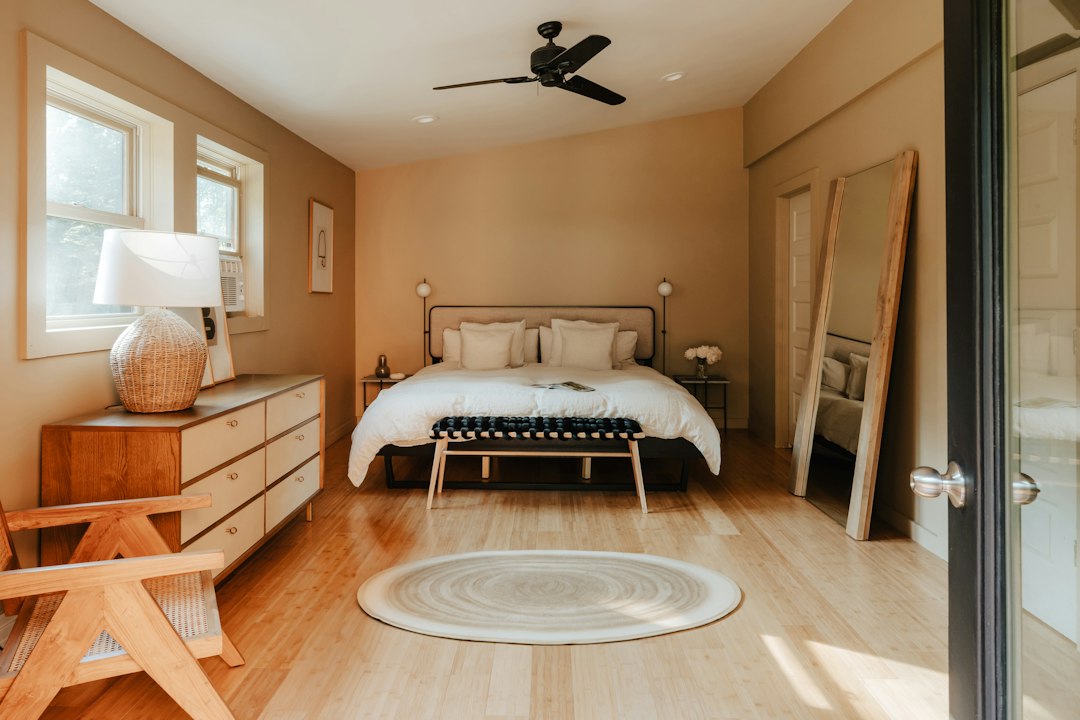


So, you’re wondering if a mushroom-shaped ceiling light can actually make your bedroom cozier? The short answer is yes, absolutely. These lights, often characterized by their soft, rounded forms and diffused glow, are fantastic for adding a touch of whimsical warmth and intimacy to a bedroom. They move away from harsh, utilitarian lighting and lean into an aesthetic that promotes relaxation and a sense of calm – exactly what you want in a space dedicated to rest.
Why Mushroom Lights Work for Bedrooms
There’s something inherently organic and gentle about the mushroom shape. Unlike sharp, angular fixtures or overly ornate chandeliers, a mushroom light tends to blend harmoniously into a room’s decor while still offering a unique visual element. This gentle form factor is key to its cozy appeal, avoiding visual clutter or jarring lines that can detract from a restful atmosphere.
The Power of Diffused Light
Most mushroom-shaped ceiling lights are designed to provide diffused illumination. This means the light isn’t directed in a harsh beam but rather spread softly across the room. Think of it like natural light filtering through leaves – it’s gentle on the eyes and creates a warm ambiance rather than bright, direct pools of light. This softer light helps to eliminate harsh shadows, making the room feel larger, more inviting, and less stark. For a bedroom, this is crucial for unwinding at the end of the day. You don’t want the bright, alert lighting of a kitchen or office; you want something that eases you into relaxation.
A Touch of Whimsy and Nature
The mushroom motif inherently brings a touch of nature indoors. It evokes images of forest floors, fairy tales, and a certain innocent charm. This subtle nod to the natural world can be incredibly comforting and grounding in a bedroom setting. It adds a playful yet sophisticated element that can break up an otherwise plain ceiling without being overly childish. This whimsy can be particularly effective in creating a personalized and unique space that feels distinctly yours.
Versatility in Design
While the core shape is “mushroom,” there’s a surprising amount of variety in terms of materials, finishes, and specific designs. You can find minimalist mushroom lights made from frosted glass or acrylic, rustic ones crafted from wood, or even more industrial interpretations with metal accents. This versatility means you can integrate a mushroom light into a wide range of bedroom aesthetics, from Scandinavian simplicity to bohemian chic, or even a subtly modern space. It’s not a one-size-fits-all, but rather a adaptable concept that can be tailored to your specific taste.
Choosing Your Perfect Mushroom Light
With so many options available, picking the right mushroom ceiling light for your bedroom involves considering a few key factors. It’s not just about the shape, but how it interacts with the rest of your decor and your personal lighting needs.
Size and Scale Considerations
The size of your mushroom light should be proportionate to your bedroom’s dimensions. A tiny light in a large room will look lost, while an oversized fixture in a small space can feel overwhelming and dominate the room. A good rule of thumb is to measure the length and width of your room in feet, add those numbers together, and that sum in inches roughly corresponds to the ideal diameter for your ceiling fixture. For example, a 10×12 foot room (10+12=22) could comfortably accommodate a light around 22 inches in diameter. However, for a cozy feel, you might even go slightly smaller to create a more intimate pooling of light, or opt for multiple, smaller fixtures.
Material Matters: Aesthetics and Light Quality
The material of your mushroom light significantly impacts both its aesthetic and the quality of light it emits.
Glass Varieties
Frosted glass is a popular choice for mushroom lights because it provides excellent diffusion, creating that sought-after soft, even glow. Opal glass, similar to frosted, offers a milky white appearance and superior light diffusion. Clear glass options are less common for the mushroom shape as they wouldn’t diffuse light as effectively, potentially creating harsher spots, but they might be used for a more sculptural, non-diffused look in certain artistic designs. Stained or colored glass can add a unique visual element even when the light is off, but be mindful of how the color tint will affect the overall room ambiance when illuminated.
Acrylic and Plastic Options
Acrylic and plastic are durable, lightweight, and often more affordable alternatives to glass. They can be molded into various mushroom shapes and often mimic the diffusion properties of frosted glass. They are also less prone to breakage, which can be a consideration in certain homes. The key here is to look for high-quality acrylic that won’t yellow over time or appear cheap.
Wood and Natural Elements
For a more rustic, bohemian, or Japandi aesthetic, mushroom lights incorporating wood or natural fibers (like rattan or bamboo for the “cap”) can be stunning. These materials add warmth and texture, further enhancing the natural, earthy feel. The light diffusion might be different here; some woven materials will create interesting patterns of light and shadow, which can be a design feature in itself.
Metal Accents
While the primary “cap” of a mushroom light is usually a diffusing material, metal is often used for the base, stem, or internal structure. Brushed brass, matte black, or polished chrome can add a touch of sophistication or industrial chic, contrasting nicely with the soft, organic shape of the mushroom cap.
Light Temperature and Brightness
This is crucial for bedroom coziness. Aim for a warm white light temperature, typically between 2700K and 3000K (Kelvin). This mimics the warm glow of incandescent bulbs and promotes relaxation. Cooler temperatures (4000K and above) can feel stark and clinical, which is not what you want in a bedroom.
For brightness (lumens), it’s generally best to choose a fixture that supports dimmable bulbs. This allows you to adjust the light level according to your needs – brighter for reading, dimmer for unwinding or setting a mood. As a general guideline, a bedroom might need around 20-40 lumens per square foot, but with a main ceiling light, you’ll likely want something on the lower end of that when fully on, with dimming capabilities for ultimate flexibility.
Installation Considerations and Tips
Installing a ceiling light, even a simple one, requires some basic electrical knowledge. If you’re not comfortable with electrical work, it’s always best to hire a qualified electrician. However, understanding the process can help you plan and ensure a smooth installation.
Safety First
Before any electrical work, always turn off the power to the circuit at your main breaker panel. Double-check with a non-contact voltage tester to ensure the wires are indeed dead. This is non-negotiable for your safety.
Mounting and Support
Most mushroom ceiling lights are relatively lightweight, especially those made from acrylic or thinner glass. They typically mount directly to an existing electrical box in the ceiling. Ensure your electrical box is properly secured and rated to hold the weight of the fixture. If you’re replacing an old fixture, the existing box should suffice, but if it’s a new installation or an old, flimsy box, an upgrade might be necessary. Some larger or heavier fixtures might require additional support, such as a joist hanger or toggle bolts, but this is less common for standard mushroom ceiling lights.
Wiring Basics
You’ll typically connect three wires: hot (usually black), neutral (usually white), and ground (bare copper or green). Always follow the manufacturer’s instructions, as wire colors can occasionally vary by region or older wiring. Connect corresponding wires securely using wire nuts, ensuring no bare wire is exposed. The ground wire should always be connected.
Height and Clearance
Ensure the mushroom light hangs at an appropriate height. For a flush mount or semi-flush mount, this isn’t usually an issue. If it’s a pendant-style mushroom light (which are less common as main ceiling lights but exist), ensure it doesn’t obstruct views or create a head-bumping hazard, especially over a bed. Generally, the bottom of the fixture should be at least 7 feet from the floor in walking areas, but over a bed, you might be able to go slightly lower if it’s positioned well and doesn’t interfere.
Dimmers for Ultimate Control
As mentioned, installing a dimmer switch is highly recommended for bedroom ceiling lights. It allows you to transform the ambiance instantly. Make sure the dimmer switch you choose is compatible with the type of bulbs you’re using (e.g., LED-compatible dimmers for LED bulbs). This small upgrade makes a huge difference in the usability and coziness factor of your mushroom light.
Integrating Mushroom Lights into Your Bedroom Style
A mushroom ceiling light isn’t just a standalone fixture; it’s an integral part of your bedroom’s overall aesthetic. Here’s how to make it feel at home, no matter your preferred style.
Scandinavian Simplicity
For a clean, minimalist Scandinavian look, opt for a mushroom light with very clean lines, perhaps in frosted white glass or a light wood finish. Pair it with muted colors, natural textures like linen and wool, and simple, functional furniture. The mushroom light will add a soft, organic touch without cluttering the minimalist aesthetic. Its diffused light complements the bright, airy feel typical of Scandinavian design.
Bohemian Bliss
A bohemian bedroom thrives on texture, layers, and a sense of eclectic warmth. Here, a mushroom light crafted from rattan, bamboo, or even a frosted glass one with a subtle pattern can fit beautifully. Combine it with macrame hangings, plants, richly textured throws, and a mix of natural materials. The organic shape of the mushroom light will naturally resonate with the earthy, free-spirited vibe of a boho space. Don’t shy away from warmer light temperatures to enhance the cozy, inviting atmosphere.
Modern and Contemporary
Even in a sleek, modern bedroom, a mushroom light can find its place. Look for versions with a more refined finish – perhaps brushed brass accents, matte black elements, or a perfectly smooth, unblemished acrylic cap. The key here is simplicity and high-quality materials. It can act as a soft contrast to sharper lines or as a subtle sculptural element that breaks up an otherwise rigid design. The diffused light helps soften the often-stark feel of contemporary spaces, making them more livable.
Japandi Harmony
Japandi, the fusion of Japanese and Scandinavian aesthetics, emphasizes simplicity, natural materials, and a serene atmosphere. A mushroom light, with its clean, organic form and potential for natural material composition (like wood or rice paper-esque diffusers), is perfectly suited for this style. It aligns with the “wabi-sabi” principle of finding beauty in imperfection and natural forms, while its diffused light contributes to the calm, uncluttered environment.
Eclectic and Personalized
If your bedroom is a delightful mix of various styles and personal treasures, a mushroom light can be a wonderful unifying element. Its unique yet understated shape allows it to blend with different pieces without competing. Consider a light that brings in a color from your decor, or one that has a distinct texture that adds to the layered feel of an eclectic room. It can be a subtle anchor that grounds the varied elements.
Beyond the Ceiling: Other Mushroom Lighting Ideas
While we’re focusing on ceiling lights, it’s worth noting that the mushroom lighting trend extends to other fixtures, which can further enhance your bedroom’s cozy ambiance. Thinking holistically about your lighting scheme will yield the best results.
Table Lamps and Nightstands
A mushroom-shaped table lamp on your nightstand can provide a beautiful, localized glow for reading or as a gentle nightlight. These often come in ceramic, glass, or even pleated fabric designs, offering a different textural experience than a ceiling fixture. Paired with your ceiling light, they create layers of illumination that add depth and warmth to the room. Look for designs that complement your ceiling light in material or color, or intentionally choose something contrasting for a more eclectic look.
Floor Lamps for Ambient Light
A mushroom floor lamp can serve as a secondary light source, adding ambient light to a corner or near a comfortable armchair. These can be particularly effective in larger bedrooms where the ceiling light alone might not reach every nook comfortably. The diffused light from a mushroom floor lamp will contribute to the overall softness of the room, avoiding harsh shadows and contributing to a relaxed feel. They can also act as sculptural elements, even when turned off.
Wall Sconces for Targeted Illumination
While less common in a direct mushroom shape, wall sconces that offer a similar diffused, organic glow can work wonders. They can provide targeted lighting for specific areas, like above a bedside table where a lamp might be impractical, or to highlight a piece of art. The key is to choose sconces that mimic the soft, rounded lines and gentle light output of the mushroom aesthetic, rather than sharp, directional fixtures.
Layering Light for Maximum Coziness
The true secret to a cozy bedroom is layered lighting. Don’t rely solely on your mushroom ceiling light. Combine it with bedside lamps, perhaps a floor lamp, and even some decorative string lights or candles (safely, of course). Your mushroom ceiling light can be the primary ambient light, setting the overall tone. Then, use your other lights to create pools of light, highlight features, and provide task lighting. The mushroom’s soft glow will harmoniously blend with these other sources, creating a multi-dimensional, deeply inviting atmosphere perfect for rest and relaxation. Remember, dimmers on all light sources are your best friend here!
In conclusion, a mushroom-shaped ceiling light is far more than just a quirky design choice; it’s a strategic move towards a cozier, more inviting bedroom. Its inherent design promotes diffused, warm light, connecting your space to nature and adding a touch of whimsical elegance. By considering size, material, and light temperature, and by integrating it thoughtfully into your existing decor and layered lighting scheme, you can transform your bedroom into a true sanctuary. It’s a practical and aesthetically pleasing choice that really delivers on the promise of comfort and style.