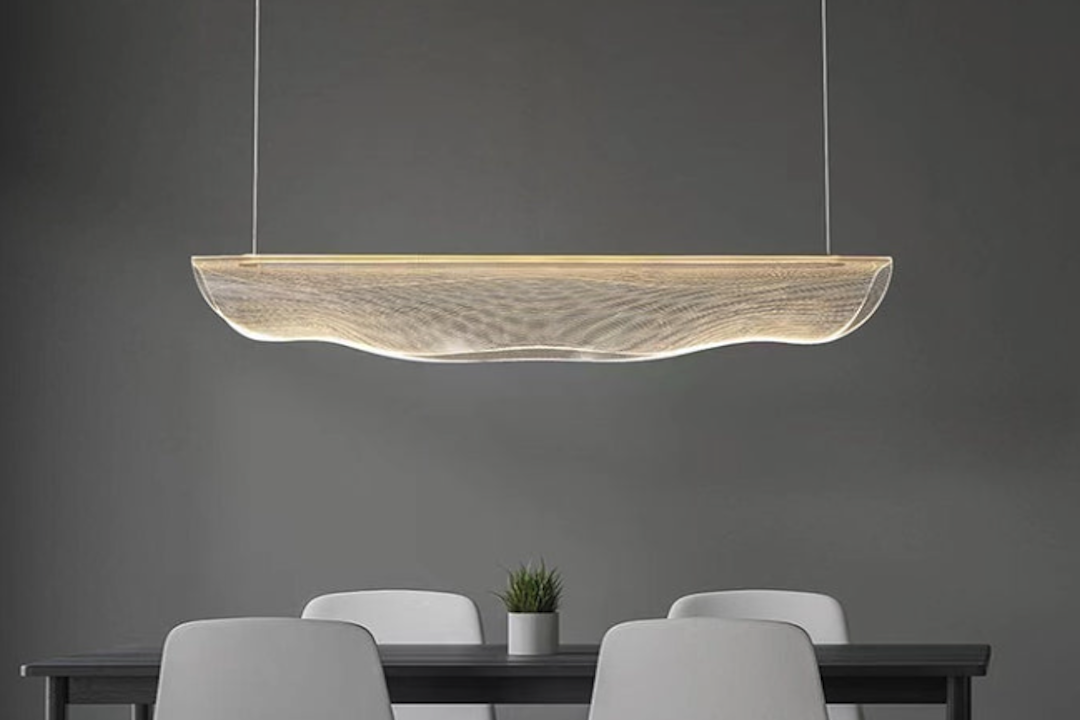


You’re seeking information about modern acrylic translucent pendant lights, specifically as a contemporary approach to illumination. This article will provide a factual overview of these fixtures.
The design of modern acrylic translucent pendant lights Fasuhouse often prioritizes clean lines and minimalist forms. The material itself, acrylic, allows for a broad spectrum of shapes, from geometric to organic, which can be manufactured with precision. This adaptability makes them suitable for a range of interior design styles, not solely confined to the “modern” label as the name might suggest.
Material Properties of Acrylic
Acrylic, a synthetic thermoplastic, is chosen for its advantageous properties in lighting design. It possesses a high degree of optical clarity, which is crucial for translucency. Unlike glass, acrylic is significantly more impact-resistant, making it a safer choice in households with children or in areas prone to vibration. Its lighter weight compared to glass also simplifies installation.
Transparency and Diffusion Capabilities
Acrylic can be manufactured with varying degrees of transparency and translucency. This allows designers to control the light diffusion. A highly translucent acrylic can soften harsh light, creating a more ambient and inviting atmosphere. Conversely, a more transparent acrylic might be used where the light source itself is intended to be visible, contributing to the fixture’s overall design. This malleability is a key differentiator from traditional glass pendants.
Coloration and Finishing Options
Acrylic can be easily colored and molded, offering a palette of options beyond clear or frosted. From subtle pastels to bold primary colors, acrylic translucent pendants can serve as a chromatic accent in a room. Furthermore, various surface finishes, such as matte, glossy, or textured, can alter the light’s interaction with the material, influencing the final visual effect.
Form and Silhouette
The forms adopted by acrylic translucent pendants are diverse. They can range from simple spheres and cylinders to more complex, sculptural arrangements. The inherent moldability of acrylic facilitates the creation of fluid, organic shapes that might be cost-prohibitive or technically challenging with glass or metal.
Geometric versus Organic Shapes
Geometric forms, such as cubes, cones, and multifaceted shapes, lend themselves to spaces that embrace order and symmetry. These designs often occupy a more understated position, allowing them to blend seamlessly into the décor. Organic forms, on the other hand, can introduce a dynamic, natural element, acting as a focal point within a room. These might resemble unfolding petals, water droplets, or other natural phenomena.
Scale and Proportion Considerations
The scale of an acrylic translucent pendant is a critical design element. A large, singular pendant can dominate a space, serving as a statement piece. Multiple smaller pendants, arranged in a cluster or linear pattern, can offer a more distributed and nuanced illumination. The proportional relationship between the pendant’s size and the room’s dimensions is essential for achieving a balanced aesthetic.
Integration with Mounting Hardware
The mounting hardware for these fixtures is also a Design consideration. Finishes such as brushed nickel, polished chrome, matte black, or even brushed brass are commonly paired with acrylic shades. The style of the mounting hardware can either complement or contrast with the acrylic, further defining the fixture’s overall character.
Functionality and Performance
Beyond their visual appeal, modern acrylic translucent pendant lights are designed to perform specific lighting functions within a space. Their materiality influences how they interact with light sources, affecting illumination quality and distribution.
Light Source Compatibility
These pendants are typically designed to house various light sources, most commonly LED bulbs. The choice of light source directly impacts the color temperature, brightness, and energy efficiency of the illumination.
LED Technology Integration
LEDs are favored for their longevity, low energy consumption, and compact size, which allows for more streamlined fixture designs. Many modern acrylic pendants are optimized for LED performance, with translucent shades designed to diffuse the directed light of LEDs into a softer, more widespread glow.
Halogen and Incandescent Options
While less common in new designs due to energy efficiency considerations, some vintage or specific aesthetic applications might still utilize halogen or incandescent bulbs. The acrylic shade’s translucency will affect the perceived warmth and character of the light emitted by these traditional sources.
Light Distribution Patterns
The shape and translucency of the acrylic shade play a significant role in how light is distributed. This dictates the mood and utility of the illuminated space.
Ambient Light Diffusion
Many acrylic translucent pendants are engineered to diffuse light, creating a soft, shadowless ambiance. This is achieved through the material’s inherent properties and often through textured or frosted finishes applied to the acrylic. This type of illumination is suitable for living areas, dining rooms, and bedrooms where a gentle glow is desired.
Task Lighting Capabilities
While primarily known for ambient diffusion, some designs can be configured for more directed task lighting. This might involve specific shapes that channel light downwards or combinations of translucent and opaque elements within the fixture. However, acrylic’s inherent translucency makes it less ideal for highly focused, shadow-casting task lighting compared to metal or glass shades with precise reflectors.
Decorative and Accent Lighting Effects
The ability of acrylic to be colored and molded allows for interesting decorative and accent lighting effects. Imagine a pendant that casts subtle hues onto walls or ceilings as the light passes through its colored acrylic layers. This moves beyond mere illumination to become an integral part of the room’s decorative scheme.
Application in Interior Design
The versatility of modern acrylic translucent pendant lights makes them a popular choice across various interior design contexts. Their ability to adapt to different styles and functional requirements is a key factor in their widespread adoption.
Residential Interiors
In homes, these pendants find application in a multitude of settings, from kitchens and dining areas to bedrooms and hallways. Their contemporary aesthetic aligns well with modern, minimalist, and Scandinavian-inspired decors.
Kitchen and Dining Spaces
Above a kitchen island or dining table, acrylic pendants can provide both ample illumination for food preparation and dining while also serving as a decorative element. Their ease of cleaning is also a practical advantage in these areas. The choice of color and shape can tie into the overall kitchen cabinetry and dining furniture.
Living Rooms and Bedrooms
In living rooms, a well-chosen acrylic pendant can contribute to a relaxed and inviting atmosphere. In bedrooms, they can offer a softer light for winding down, providing functionality without being overly intrusive. The diffused light avoids harsh glare, which is beneficial in relaxation spaces.
Entryways and Hallways
The entrance to a home often sets the tone for the entire dwelling. An acrylic pendant in an entryway can offer a welcoming glow. In hallways, they can provide essential navigation light while adding a touch of style to often-overlooked transitional spaces.
Commercial and Hospitality Environments
The durability, aesthetic adaptability, and ease of maintenance of acrylic translucent pendant lights also make them suitable for commercial and hospitality applications.
Retail and Showroom Lighting
In retail spaces, these pendants can highlight merchandise without casting distracting shadows. Their clean lines can complement modern product displays. The ability to use custom colors can also align with brand identity.
Restaurants and Cafes
In dining establishments, the ambient quality of light produced by acrylic pendants can enhance the dining experience. They can contribute to the desired mood, whether it’s a relaxed bistro or a more upscale dining room. Their durability is also a plus in high-traffic areas.
Office and Reception Areas
In office environments, particularly reception areas or collaborative spaces, acrylic pendants can offer a stylish and functional lighting solution. They can contribute to a modern, professional aesthetic while providing adequate illumination for visitors and staff.
Installation and Maintenance Considerations
Understanding the practical aspects of installing and maintaining these lighting fixtures is essential for their long-term functionality and aesthetic preservation.
Mounting and Electrical Connections
The installation process for most modern acrylic translucent pendant lights is similar to that of other pendant fixtures. It typically involves securing a mounting bracket to the ceiling electrical box and then connecting the fixture’s wires to the corresponding house wires.
Ceiling Box Compatibility
Ensure the existing ceiling electrical box is rated to support the weight of the pendant. This is generally not an issue for acrylic pendants due to their lighter weight compared to glass or ceramic counterparts.
Professional vs. DIY Installation
While many homeowners opt for DIY installation for simpler fixtures, complex arrangements or installations in areas with non-standard wiring may require professional electrician services. Consulting an electrician is recommended for safety and to ensure compliance with local building codes.
Cleaning and Care
The maintenance of acrylic translucent pendant lights is straightforward, contributing to their appeal. Regular cleaning prevents dust and grime from dulling the light output and the aesthetic of the fixture.
Material-Specific Cleaning Agents
Acrylic can be scratched by abrasive cleaners. Mild soap and water or specialized acrylic cleaners are generally recommended. Avoid harsh chemicals or abrasive cloths, which can damage the surface finish.
Avoiding UV Degradation
While modern acrylics are generally resistant to UV degradation, prolonged and intense direct sunlight exposure over many years can potentially cause some yellowing or clouding. This is more of a concern for outdoor applications, but in interior spaces, it’s a minor consideration.
Bulb Replacement Procedures
The ease of bulb replacement varies depending on the fixture’s design. Many modern acrylic pendants provide accessible methods for changing bulbs, often involving simple screw-off caps or access panels.
Accessing the Light Source
The design of the pendant will dictate how the light source is accessed. Some may have a base that unscrews, while others might have a diffuser that detaches. Always ensure the power is turned off at the breaker before attempting any bulb replacement.
Choosing Replacement Bulbs
When replacing bulbs, it’s important to adhere to the manufacturer’s specifications regarding wattage and bulb type (e.g., LED, CFL). Using incompatible bulbs can damage the fixture or pose a fire hazard.
Environmental and Economic Factors
The production and use of modern acrylic translucent pendant lights also involve environmental and economic considerations that influence their overall value proposition.
Material Sourcing and Manufacturing
The manufacturing process for acrylic involves petrochemicals. While efficient, the long-term environmental impact of plastic production is a subject of ongoing discussion and innovation within the industry.
Recyclability of Acrylic
Acrylic is technically recyclable. However, the infrastructure and widespread implementation of acrylic recycling programs vary significantly by region. Many post-consumer acrylic products are currently destined for landfills. This is an area where industry efforts are focusing on improvement.
Energy Efficiency of LED Integration
The widespread adoption of LED bulbs with acrylic pendants contributes significantly to energy efficiency. Compared to older lighting technologies, LEDs consume a fraction of the electricity, leading to reduced energy bills and a smaller carbon footprint over the product’s lifecycle.
Cost and Value Proposition
The cost of modern acrylic translucent pendant lights can range from budget-friendly options to higher-end designer pieces. The materials and manufacturing processes influence these price points.
Affordability and Accessibility
The inherent moldability and relatively lower material costs of acrylic, especially when compared to blown glass or intricate metalwork, often translate into more accessible price points for consumers. This makes stylish, contemporary lighting solutions available to a broader market.
Longevity and Durability
The durability of acrylic, particularly its resistance to breakage, contributes to the long-term value of these fixtures. Replacing broken glass pendants can incur additional costs and inconvenience. The extended lifespan of integrated LED bulbs further enhances the economic viability of these lighting solutions.
Comparison with Traditional Materials
When comparing acrylic translucent pendants to those made from glass, metal, or ceramic, several factors emerge. Glass can offer superior optical clarity and a sense of premium quality but is fragile. Metal can be robust and offer specific aesthetic finishes but can be heavy. Acrylic strikes a balance of durability, design flexibility, and cost-effectiveness, making it a compelling choice for many contemporary applications.