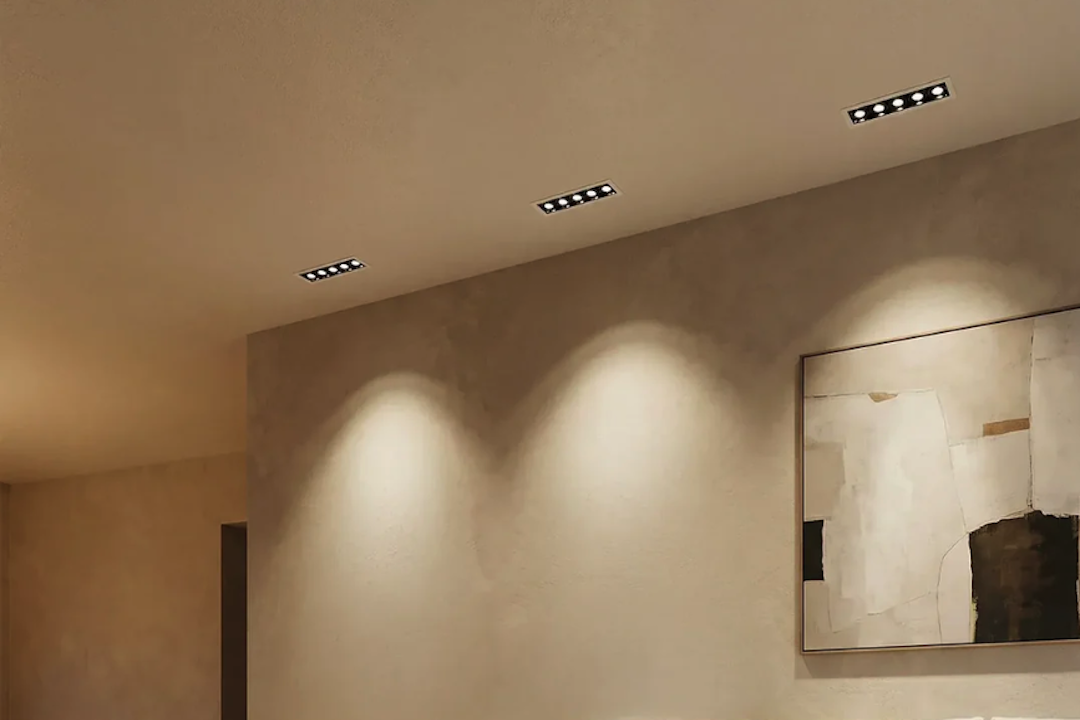


When it comes to lighting a room effectively, the right fixtures can make a significant difference. One area often overlooked is the power of a deep anti-glare spotlight specifically designed for wall washing. Simply put, these lights illuminate a wall from top to bottom, creating a smooth, even spread of light that enhances the room’s perceived size and brightness without the harshness often associated with more direct lighting. They’re a practical solution for showcasing textures, artwork, or simply making a room feel more inviting and expansive.
Wall washing isn’t just about throwing light Nanolamps on a wall; it’s a strategic technique that requires specific light characteristics to achieve the desired effect. The goal is to create a uniform curtain of light that hides imperfections and highlights surfaces in a pleasing way.
The Problem with Glare
Glare is a common issue with many lighting fixtures. It’s that uncomfortable visual sensation caused by excessive brightness, leading to eye strain and reduced visibility. In the context of wall washing, direct glare from a light source can be particularly distracting, creating bright spots that detract from the smooth, even illumination you’re trying to achieve. It also makes the fixture itself stand out rather than allowing the light to be the focus.
The Role of Deep Recess
Deeply recessed spotlights are engineered precisely to combat glare. By setting the light source farther back within the fixture housing, the observer’s direct line of sight to the actual LED chip is obstructed. This creates a “cut-off” angle, meaning that from most viewing angles, you only see the illuminated surface, not the bright source itself. This design is crucial for a comfortable viewing experience, especially in living areas, bedrooms, or offices where prolonged exposure to lighting is common. The deeper the recess, generally, the less glare.
Beam Angle Considerations
For effective wall washing, beam angle is critical. You don’t want a narrow, spotty beam that creates hot spots and uneven illumination. Instead, a wider, flood-like beam is usually preferred. Typically, beam angles ranging from 60 to 90 degrees are suitable for wall washing, ensuring that light spreads evenly across the wall surface. The exact angle needed will depend on the mounting distance from the wall and the height of the wall itself. A wider beam from a greater distance can cover a large area smoothly, while a slightly narrower beam closer to the wall can create a more dramatic effect on textured surfaces.
Benefits of Deep Anti-Glare Wall Washer Spotlights
Beyond just illuminating a wall, these specialized spotlights offer several distinct advantages that contribute to a more functional and aesthetically pleasing environment.
Enhanced Visual Comfort
As touched upon, the primary benefit of deep anti-glare fixtures is visual comfort. Reduced glare means less eye strain, making spaces more pleasant to occupy for extended periods. This is particularly important in areas where people read, work, or relax. You’re less likely to squint or feel fatigued by the lighting, which contributes significantly to the overall livability of a room. The absence of harsh direct light also creates a softer, more inviting ambiance.
Highlight Architectural Features
Wall washing is an excellent technique for emphasizing textures, materials, and architectural details. A stone wall, a wallpapered surface, or even a subtly textured painted wall can be brought to life when illuminated by a uniform wash of light. The light grazes the surface, casting subtle shadows that highlight irregularities and depth, transforming a flat surface into a dynamic visual element. This can make a simple room feel more sophisticated and thoughtfully designed.
Create a Sense of Space
By uniformly bathing a wall in light, these spotlights can make a room feel larger and more open. This is especially true in smaller spaces or rooms with lower ceilings. The eye is drawn to the expanse of light on the wall, creating an illusion of depth and openness. It prevents the corners and edges of a room from feeling dark and enclosed, which often happens with more direct or centralized lighting schemes.
Versatility in Application
Deep anti-glare wall washing spotlights are incredibly versatile. They can be used in a variety of settings:
- Residential Homes: Enhance living rooms, dining areas, hallways, bedrooms, and even home offices.
- Commercial Spaces: Ideal for retail displays, art galleries, corridors in offices, waiting rooms, and restaurants.
- Hospitality: Hotel lobbies, guest rooms, and dining areas benefit from the sophisticated and comfortable illumination.
They’re not just for functional lighting; they excel at creating specific moods and highlighting specific elements, making them a valuable tool for any lighting design.
Key Features to Look For
When you’re considering deep anti-glare wall washing spotlights, certain features will dictate their performance and suitability for your needs. Paying attention to these specifications will ensure you select a fixture that genuinely delivers on its promise.
Color Temperature (CCT)
Color temperature, measured in Kelvin (K), largely determines the “feel” of the light.
- Warm White (2700K-3000K): Creates a cozy, inviting atmosphere, excellent for residential living areas, bedrooms, and restaurants. It evokes a sense of comfort and relaxation.
- Neutral White (3500K-4000K): A balanced light, good for kitchens, bathrooms, offices, and retail spaces where a brighter, more natural look is desired without being overly cool. It provides good task visibility.
- Cool White (5000K-6000K): Energetic and crisp, often used in commercial settings, galleries, or areas where high visibility and alertness are priorities. Less common for wall washing in residential settings unless a very modern, stark aesthetic is desired.
The choice of CCT should align with the overall mood and function of the space. For wall washing, warm to neutral whites are generally preferred to enhance the warmth of materials and create a more inviting glow.
Color Rendering Index (CRI)
CRI measures how accurately a light source renders colors compared to natural sunlight. A higher CRI (ideally 90 or above for most applications) means colors will appear more vibrant and true-to-life. This is especially important when illuminating artwork, textured materials, or any surface where accurate color representation is desired. Low CRI can make objects look dull or washed out, which defeats the purpose of highlighting them with light.
Dimmability
Dimmable fixtures offer immense flexibility in controlling the ambiance of a room. The ability to adjust light intensity allows you to transition a space from a bright, functional area to a soft, relaxed environment with ease. Ensure that the fixture is compatible with standard dimmers (e.g., TRIAC, 0-10V, DALI) and that the dimming is smooth and flicker-free, especially at lower light levels. Poor dimming can lead to buzzing or flickering, which is counterproductive to comfort.
Construction Material and Finish
The physical aspects of the fixture are also important.
- Material: High-quality aluminum is often preferred for its durability, heat dissipation properties, and ability to be finished in various ways. Steel is also common.
- Finish: Common finishes include matte white, black, brushed nickel, or chrome. The finish should complement the overall aesthetic of your space and blend seamlessly with the ceiling or wall treatment. A matte finish is often preferred for anti-glare properties as it reflects less stray light.
- IP Rating: If the fixture is installed in a bathroom or an outdoor area, an appropriate Ingress Protection (IP) rating is essential to protect against moisture and dust. For indoor, dry areas, a lower IP rating is acceptable.
Good construction ensures longevity and keeps the fixture looking good over time.
Installation and Placement Guidelines
Proper installation is paramount to achieving effective wall washing and maximizing the benefits of these specialized spotlights. It’s not just about wiring; it’s about strategic placement.
Distance from the Wall
The distance of the spotlight from the wall is critical.
- Closer Placement (6-12 inches): Creates a more dramatic, grazing effect, highlighting texture and imperfections more prominently. This can be very effective for stone, brick, or highly textured wallpaper. However, it can also create more pronounced shadows if the surface isn’t perfectly even.
- Further Placement (18-36 inches): Provides a smoother, more even wash of light, ideal for minimizing imperfections and creating a sense of spaciousness. This is generally preferred for smooth painted walls or for larger areas.
The optimal distance is often a balance between the desired effect and the practical constraints of the room. Experimentation or consulting a lighting designer can help determine the best placement for your specific needs.
Spacing Between Fixtures
The spacing between individual wall washing spotlights is just as important as their distance from the wall.
- Even Overlap: To achieve a seamless, continuous wash of light, the beams from adjacent fixtures should overlap slightly. This prevents dark spots or “scalloping” effects between fixtures.
- General Rule of Thumb: A common starting point for spacing is to use a distance equal to the fixture’s distance from the wall. For example, if fixtures are 2 feet from the wall, try spacing them approximately 2 feet apart. However, this will vary depending on the beam angle of the fixture. Wider beam angles allow for greater spacing.
- Trial and Error (or Calculation): It’s often beneficial to test spacing with a single fixture or use lighting design software to calculate optimal spacing based on the beam angle and desired uniformity.
Proper spacing ensures a uniform glow without noticeable hot spots or dark areas, delivering a polished, professional look.
Ceiling Height and Room Context
The height of your ceiling and the overall context of the room dictate the optimal placement and number of fixtures.
- Standard Ceilings (8-9 feet): Most common residential setups will work well with standard recessed wall washers. The key is to manage the distance from the wall and spacing to ensure full coverage up to the ceiling line.
- High Ceilings (10+ feet): In rooms with high ceilings, you might need fixtures with more powerful lumens or a slightly different beam angle to ensure the light reaches effectively from floor to ceiling. The angle from the fixture to the top of the wall needs to be considered.
- Obstructions: Be mindful of any architectural features, furniture, or curtains that might block the light. Plan your layout to avoid dark shadows cast by elements within the room.
- Complementary Lighting: Wall washing is often part of a layered lighting scheme. Consider how these spotlights will work in conjunction with ambient lighting (e.g., general recessed lights), task lighting (e.g., under cabinet lights), and accent lighting (e.g., picture lights) to create a cohesive and functional lighting environment.
Maintenance and Longevity
Like any fixture, a deep anti-glare wall washer requires some basic attention to ensure it continues to perform optimally over its lifespan.
Cleaning and Care
- Dust Accumulation: Over time, dust can accumulate on the lens and within the recessed housing. This can reduce light output and affect the beam quality. Regularly wipe down surfaces with a soft, dry, or slightly damp cloth.
- Avoid Harsh Chemicals: Do not use abrasive cleaners or harsh chemicals, as these can damage the lens or the fixture’s finish.
- Fixture Housing: Periodically inspect the fixture housing for any loose components or signs of wear.
Simple, consistent cleaning will help maintain the fixture’s aesthetic and functional performance.
LED Lifespan and Replacement
- Long Lifespan: Modern LED wall washers boast impressive lifespans, often rated for 25,000 to 50,000 hours or more. This means years, if not decades, of use under normal residential conditions.
- Integrated LEDs: Many deep anti-glare fixtures feature integrated LED modules. This means the LED light source is built directly into the fixture and is not designed to be easily replaced by the user. If the LED module fails (which is rare within its rated lifespan), the entire fixture might need to be replaced.
- Driver Longevity: The LED driver (the power supply that converts AC voltage to the DC voltage required by the LED) is often the component most likely to fail before the LED itself. High-quality drivers are crucial for extended fixture life.
- Warranty: Always check the manufacturer’s warranty. A good warranty provides peace of mind regarding the longevity and reliability of the fixture.
While LED fixtures require minimal maintenance compared to traditional bulbs, understanding their integrated nature is key. Investing in fixtures from reputable brands often translates to better component quality and longer overall system life.