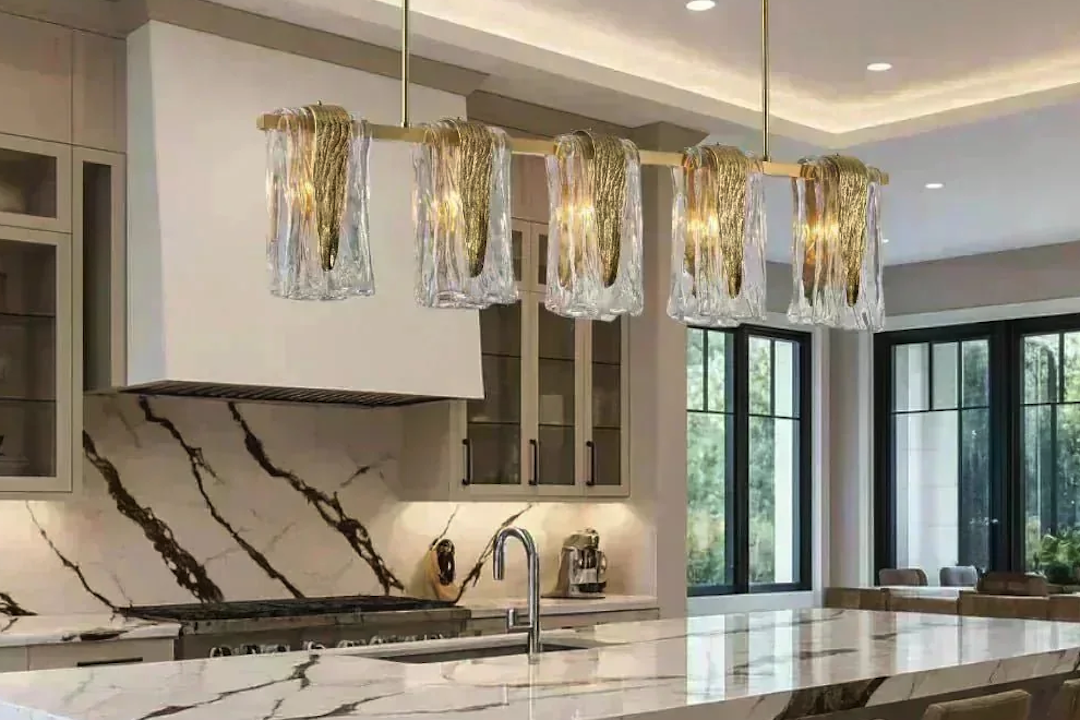


End-of-island lighting, when done right, is a fantastic way to maximize both the functionality and aesthetics of your kitchen island. It’s not just about adding a light source; it’s about strategically placing illumination to enhance task performance, create ambiance, and even visually expand your space. By thoughtfully integrating lighting at the ends of your island, you can solve common kitchen dilemmas and elevate the overall feel of your home.
End-of-island lighting refers to any light fixture Hozolighting positioned at or near the short ends of your kitchen island. Unlike traditional pendant lighting that hangs centrally or along the length, this approach targets specific zones, offering focused illumination and a unique design element. It’s a versatile solution that can address various needs, from task lighting for prep work to ambient glow for entertaining.
Beyond the Overhead Pendant
While a row of pendants over the island is a classic choice, it might not always be the most effective, especially for longer islands or those with specific functions at their ends. End-of-island lighting fills these gaps, providing targeted illumination where it’s needed most. It complements, rather than replaces, other kitchen lighting, creating a layered and well-rounded lighting scheme.
Defining Your Island’s Ends
Before diving into fixture types, consider how you use the ends of your island. Is one end a dedicated breakfast bar? Is the other a prep zone? Do you simply want to highlight a decorative element? Understanding these functions will guide your lighting choices and ensure you select fixtures that truly serve your needs.
Benefits of Strategic End-of-Island Lighting
Beyond just adding light, strategically placed end-of-island fixtures offer a multitude of practical and aesthetic advantages. They contribute to a more efficient, inviting, and visually appealing kitchen space.
Enhancing Task Efficiency
Proper task lighting is crucial in any kitchen, and the ends of your island often become prime zones for specific activities. With targeted lighting, you can ensure these areas are well-lit for all your culinary endeavors.
Focused Prep Stations
If one end of your island is a dedicated chopping block or a spot for assembling ingredients, task lighting here is invaluable. You won’t be working in your own shadow, and you’ll have clear visibility for precise cutting and detailed work.
Dedicated Reading or Homework Nooks
For islands that double as family hubs, one end might serve as a place for kids to do homework or for you to catch up on a cookbook. Appropriate lighting prevents eye strain and creates a more comfortable environment for these activities.
Creating Ambiance and Mood
Lighting isn’t just about brightness; it’s about setting the right tone. End-of-island lighting can be a powerful tool for crafting the desired atmosphere in your kitchen.
Defining Zones
By illuminating the ends differently, you can subtly define distinct zones within your island. A softer, warmer light at a breakfast bar can feel inviting, while a brighter, more focused light at a prep station clearly delineates a workspace.
Highlighting Features
If your island has a unique architectural detail, a beautiful countertop material, or even a decorative bowl at one end, carefully placed lighting can draw attention to these elements, turning them into focal points.
Maximizing Visual Space and Flow
Clever lighting can play tricks on the eye, making a space feel larger, more open, or simply better organized. End-of-island lighting contributes to this visual manipulation.
Extending the Perception of Length
By placing lighting fixtures at the ends, you can visually stretch the length of your island, making a smaller island appear more substantial. This is particularly effective with linear fixtures or small, well-placed spots.
Improving Traffic Flow
Well-lit ends can subtly guide people around the island, especially in open-concept layouts. It can make the kitchen feel more accessible and less like an obstacle course.
Types of Fixtures for End-of-Island Lighting
The beauty of end-of-island lighting lies in its versatility. A range of fixture types can be employed, each offering distinct advantages in terms of aesthetics and functionality.
Sconces
Wall-mounted sconces are a popular choice, especially for islands that back onto a wall or have a half-wall extension. They provide upward or downward illumination, creating a softer, ambient glow.
Task Sconces with Adjustable Arms
For focused task lighting, consider sconces with adjustable arms. These allow you to direct the light precisely where you need it, perfect for reading a recipe or chopping vegetables.
Decorative Sconces for Ambiance
If the goal is primarily aesthetic, decorative sconces can add a touch of style and warmth. They come in various finishes and designs, allowing you to match your kitchen’s overall decor.
Mini Pendants
Smaller, more delicate pendants can be hung at the ends of the island, offering a scaled-down version of traditional island lighting. They are particularly effective for creating visual interest without overwhelming the space.
Single Mini Pendants for Definition
A single mini pendant at each end can act as a punctuation mark, clearly defining the boundaries of your island and providing a focused pool of light.
Grouped Mini Pendants for Visual Impact
For a more dramatic effect, consider grouping two or three mini pendants at each end, especially if your island is quite long. This creates a larger illuminated zone and adds a decorative cluster.
Under-Cabinet or Shelf Lighting
If your island has an overhang with built-in shelving or an integrated cabinet at the ends, under-cabinet or shelf lighting can be a discreet yet powerful option.
Strip Lighting for Continuous Glow
LED strip lighting can be installed subtly beneath an overhang or shelf, providing a continuous, even glow that illuminates the countertop or the items on the shelf. This is excellent for creating a clean, modern look.
Puck Lights for Targeted Spots
For more focused illumination on specific items or areas, small LED puck lights can be recessed into the underside of shelving, offering direct light without being visible.
Recessed Lighting (Ceiling or Overhang)
While often associated with general room lighting, small, well-placed recessed lights can also serve as effective end-of-island lighting, particularly in contemporary designs.
Pin Spots for Accent Lighting
Tiny recessed “pin spots” can be strategically placed in the ceiling directly above the island ends to highlight specific areas or decorative elements on the countertop.
Integrated Overhang Lighting
If your island has a substantial overhang, consider integrating small, low-profile recessed lights directly into the underside of the overhang itself. This offers very discreet and targeted illumination.
Table Lamps or Portable Fixtures
For a truly flexible and less permanent solution, a stylish table lamp or a portable, battery-operated fixture can be placed at the end of the island. This offers maximum adaptability.
Cordless Lamps for Flexibility
Battery-operated, cordless lamps are excellent for temporary setups, such as when you’re entertaining or simply want to change up the ambiance without hardwiring.
Stylish Table Lamps for Decor
A well-chosen table lamp can also serve as a decorative element, adding personality and a warm glow to the end of your island. This works well for islands with a clear, uncluttered end surface.
Planning Your End-of-Island Lighting Scheme
Successful lighting is never an afterthought. A well-thought-out plan ensures your end-of-island lighting is both beautiful and functional.
Assess Your Island’s Usage
The first step is to be brutally honest about how you actually use your island. Do you chop vegetables there every night? Do your kids do homework there after school? Is it primarily a serving area?
Morning Routines
Consider breakfast prep, coffee making, or quick weekday meals. Bright, focused light is often best here.
Evening Entertainment
For dinner parties or casual gatherings, softer, dimmable lighting can create a more relaxed and inviting atmosphere.
Consider Existing Lighting Layers
Your end-of-island lighting won’t exist in a vacuum. It needs to complement and integrate with your existing kitchen lighting scheme, including general overhead lights, under-cabinet lighting, and any main island pendants.
Layering for Function and Mood
Think about how these different layers will work together. You might want bright task lighting at the ends for prep, but then dim your main overheads and turn on accent lighting for ambiance.
Avoiding Over-Illumination
Too much light can be just as bad as too little. Ensure your end-of-island lighting doesn’t compete harshly with other fixtures or create uncomfortable glare.
Style and Aesthetics Integration
The fixtures you choose should not only function well but also look good and enhance your kitchen’s overall design aesthetic.
Matching or Complementing Finishes
Consider the finishes of your existing hardware, faucets, and other lighting fixtures. Do you want to match them exactly, or introduce a complementary finish for visual interest?
Scale and Proportion
Pay attention to the size of the fixtures relative to your island and the surrounding space. Overly large fixtures can feel clunky, while tiny ones might get lost.
Practical Considerations for Installation and Control
Once you’ve decided on your fixture types, it’s time to think about the practicalities of getting them installed and how you’ll control them.
Wiring and Electrical Requirements
This is where professional help often comes in. Proper wiring is essential for safety and functionality.
New Construction vs. Renovation
If you’re building new or undertaking a major renovation, planning electrical runs for end-of-island lighting is much easier. For existing kitchens, it might involve fishing wires through walls or ceilings.
Dedicated Circuits
Depending on the number and type of fixtures, you might need dedicated circuits to prevent overloading your electrical system. This is especially true for multiple or high-wattage fixtures.
Switching and Dimming Options
How you control your lights greatly impacts their usability and ability to create different moods.
Separate Switches for Zones
Having separate switches for your end-of-island lights allows you to control them independently from other kitchen lighting, giving you maximum flexibility.
Dimmers for Versatility
Dimmers are a game-changer. They transform task lighting into ambient lighting with a simple flick, allowing you to fine-tune the brightness for any occasion.
Smart Home Integration
For ultimate convenience, consider integrating your end-of-island lighting into a smart home system. This allows for voice control, scheduling, and remote operation.
Placement and Mounting Heights
The exact positioning of your fixtures is critical for both function and aesthetics.
Sconce Height
For sconces, aim for eye level or slightly above to prevent glare and ensure the light is cast effectively on the countertop. Roughly 60-70 inches from the floor is a common starting point, but adjust based on your specific island and ceiling height.
Mini Pendant Height
Similar to main island pendants, mini pendants should generally hang so the bottom is about 30-36 inches above the countertop. This minimizes head bumps and ensures good light distribution.
Recessed Light Spacing
For recessed lights, consider the spread of the beam. You want enough overlap to avoid dark spots, but not so much that it’s overwhelming. A general rule of thumb is to space them half the distance of your ceiling height.
Maintenance and Long-Term Considerations
Good lighting isn’t just about the initial installation; it’s also about keeping it working well and looking good over time.
Bulb Selection and Efficiency
The type of bulb you choose will impact light quality, energy consumption, and longevity.
LED for Efficiency and Lifespan
LED bulbs are the clear winner for energy efficiency and lifespan. They come in a wide range of color temperatures, allowing you to choose between warm, neutral, or cool light.
Dimmable Bulbs
Ensure your chosen bulbs are dimmable if you plan to use dimmer switches. Not all bulbs are compatible with dimmers.
Color Temperature (Kelvin)
Consider the Kelvin (K) rating of your bulbs. Warmer lights (2700K-3000K) create a cozy, inviting atmosphere, while cooler lights (3500K-4000K) are better for task-oriented areas where bright, crisp light is desired.
Cleaning and Upkeep
Dust and grease can accumulate on light fixtures, reducing their effectiveness and aesthetic appeal.
Regular Dusting
A quick dusting with a microfiber cloth regularly will keep your fixtures looking their best.
Deeper Cleaning as Needed
For more stubborn grime, consult the manufacturer’s instructions for appropriate cleaning methods. Avoid harsh chemicals that could damage finishes.
Future-Proofing Your Choices
While lighting trends evolve, some fundamental principles remain. Choosing versatile, high-quality fixtures can help ensure your end-of-island lighting stands the test of time.
Timeless Designs
Opt for classic or understated designs that are less likely to go out of style quickly.
Durable Materials
Invest in fixtures made from durable materials that can withstand the kitchen environment.
By thoughtfully planning and implementing end-of-island lighting, you’re not just adding more light; you’re crafting a more functional, beautiful, and inviting kitchen experience. It’s a subtle yet impactful design choice that can truly make your island the heart of your home.