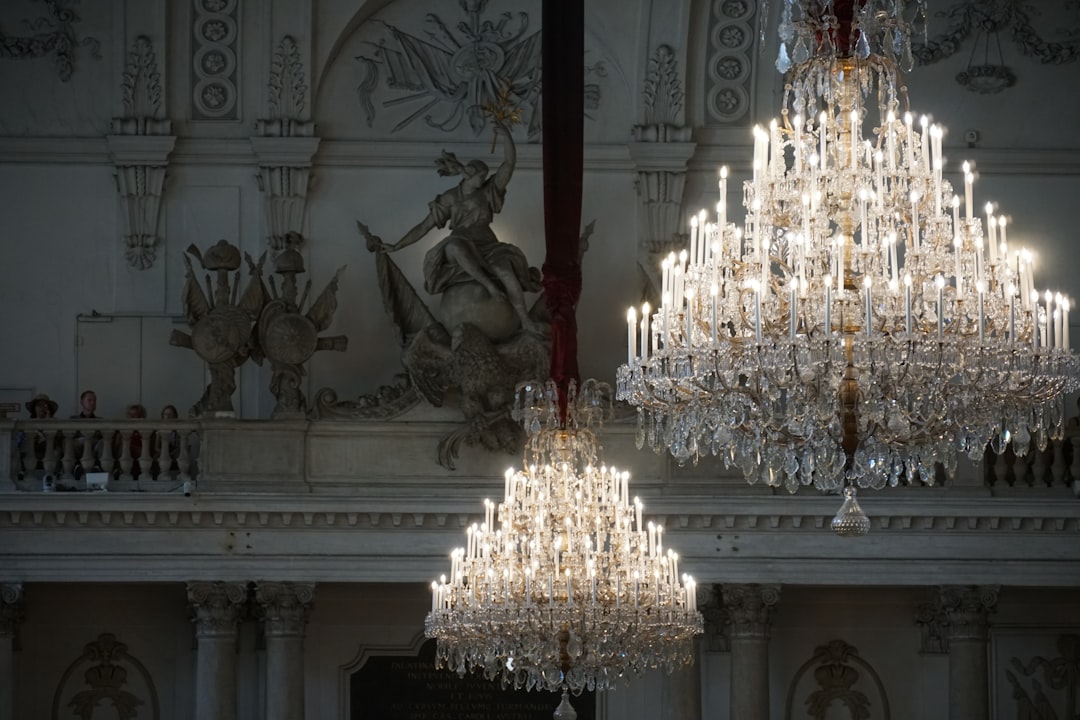


Thinking of adding a touch of classic glamour to your dining room? An Art Deco crystal chandelier might be just what you’re looking for, especially if your space calls for a bit of upscale formality. These fixtures aren’t just lights; they’re conversation pieces, injecting a timeless sophistication and often becoming the focal point of a well-appointed dining area. We’re talking dazzling crystals, geometric lines, and a feel that transports you back to the opulent 1920s and 30s.
When you picture a formal dining room, you often imagine elegance, sophistication, and a space designed for memorable gatherings. Art Deco, with its inherent sense of grandeur and meticulous design, aligns perfectly with this vision. It’s a style that champions luxury and craftsmanship without being overly ornate or fussy.
The Allure of Geometric Harmony
Art Deco celebrated order and symmetry. You’ll see this reflected in the clean lines, stepped designs, and often, powerful silhouettes of its chandeliers. This geometric precision creates a sense of balance and calm, which is highly desirable in a formal setting. It’s about strong forms and well-defined patterns rather than elaborate scrollwork.
A Nod to Classic Opulence
During the Art Deco era, there was a fascination with exotic materials and high-quality finishes. Crystal chandeliers from this period or those designed in the style often feature brilliant cut crystals, polished chrome, nickel, or even brass. These materials catch the light Procoho beautifully, enhancing the luxurious feel of the dining room without being ostentatious. It’s a statement of refined taste.
Timeless Appeal and Lasting Impression
Unlike fleeting trends, Art Deco has a staying power. Its designs are iconic, recognizable, and continue to be appreciated for their beauty and craftsmanship. Investing in an Art Deco crystal chandelier means choosing a piece that won’t go out of style, providing a lasting centerpiece that will impress guests and delight you for years to come. It brings history and character into your home.
Understanding Art Deco Chandelier Styles
While the overarching style is Art Deco, there’s a good range of variations within it. Recognizing these differences can help you pinpoint the exact aesthetic you’re after for your dining room.
The Empire or Waterfall Style
This is perhaps one of the most recognizable Art Deco chandelier forms. Picture layers upon layers of crystal strands cascading downwards, often from a metal frame that narrows towards the bottom. It evokes images of grand ballrooms and elegant entryways. The “waterfall” effect comes from the way the crystals seem to flow, creating a dazzling display of light and refraction.
Classic Tiers of Brilliance
These chandeliers typically feature multiple concentric rings or tiers, each adorned with a multitude of crystal prisms or beads. The light filters through these layers, producing a spectacular sparkle. They can range from relatively compact designs to truly monumental pieces, depending on the scale of your dining room and the ceiling height.
Streamlined and Elongated Forms
While still incorporating the cascading crystals, some waterfall designs lean into a more elongated, almost cylindrical shape. This offers a slightly more contained and focused sparkle, which can be ideal for longer dining tables or rooms where a sprawling fixture might feel overwhelming. The key is still that vertical flow of crystal.
The Architectural or Structural Style
Moving away from the more overtly grand waterfall designs, the architectural style emphasizes the metal framework and geometric shapes. Crystals are still very much present, but they are often integrated into or suspended from a more prominent structural element.
Bold Geometric Frames
Think strong squares, rectangles, circles, or even octagons forming the core of the chandelier. The crystals might be individual prisms hanging from each angle, or panels embedded within the frame. The metal itself becomes a significant design element, often in polished chrome or brushed nickel, highlighting the clean lines. This style feels more modern within the Art Deco context.
Integrated Crystal Panels
Instead of individual dangling crystals, some architectural Art Deco chandeliers feature large, flat or slightly curved crystal panels. These panels might be frosted, etched, or clear, and they contribute to the overall geometric integrity of the fixture. This approach creates a softer, more diffused light while still showcasing the crystal’s beauty.
The Sputnik Influence
While the Sputnik chandelier technically emerged a bit later than pure Art Deco, it shares many design philosophies – a celebration of form, innovative materials (for the time), and a dramatic visual impact. Many contemporary “Art Deco inspired” chandeliers borrow heavily from the Sputnik’s radiating arm design.
Bursting with Crystal Rods or Droplets
Imagine a central sphere or core from which numerous arms extend outwards in all directions. On an Art Deco-inspired Sputnik, each of these arms would likely be tipped with a crystal element – a sphere, a rod, or a cluster of droplets. This creates a dazzling, starburst effect, making the chandelier a true statement piece.
Modernist Interpretations
These chandeliers often feature a cleaner, more minimalist take on the Sputnik concept, sometimes using fewer, larger crystal elements for a bolder look. They pair well with dining rooms that blend Art Deco sensibilities with more contemporary furnishings, offering a bridge between classic and modern.
Sizing and Placement Considerations
Choosing the right size chandelier is paramount. An appropriately sized fixture will anchor your dining room, while one that’s too small will look lost, and one too large will overpower the space.
The “Diameter Rule”
A common guideline is that the diameter of your chandelier should be approximately half to two-thirds the width of your dining table. If your dining table is 48 inches wide, look for a chandelier between 24 and 32 inches in diameter. This ensures the chandelier feels proportionate to the surface it illuminates.
Ceiling Height Matters
For standard 8-foot ceilings, the bottom of your chandelier should typically hang about 30 to 36 inches above the tabletop. For higher ceilings, you can add 3 inches for every additional foot of ceiling height. So, for a 10-foot ceiling, you’d aim for 36-42 inches above the table. The goal is to ensure the light fixture doesn’t obstruct views or hit anyone’s head when standing up.
Table Shape and Chandelier Match
While the diameter rule is a good start, consider your table’s shape. For long rectangular or oval tables, you might consider two smaller chandeliers or a single, elongated chandelier to distribute light more evenly and complement the table’s form. Round tables often pair best with single, round or square chandeliers.
Essential Lighting and Dimming Features
A chandelier in a formal dining room isn’t just about sparkling beauty; it’s also about setting the mood. The right lighting is critical for everything from intimate dinners to larger celebrations.
The Brilliance of LED Compatibility
Most modern crystal chandeliers, or those designed to be installed today, are compatible with LED bulbs. This is a game-changer. LEDs offer incredible energy efficiency, a long lifespan, and a range of color temperatures. Opt for dimmable LEDs to give you the most flexibility.
Warm White for Ambiance
For a formal dining room, a warm white light (around 2700K to 3000K) is usually preferred. This mimics the cozy glow of incandescent bulbs and creates a welcoming, intimate atmosphere. Cooler temperatures (above 3500K) can feel stark and less inviting for a dining space.
Dimmable for Dynamic Moods
This is non-negotiable for a formal dining room. A chandelier that can be dimmed allows you to adjust the light output from bright for cleaning or intricate tasks to a soft, romantic glow for dinner parties. Ensure your chandelier, bulbs, and wall switch are all compatible with dimming technology.
Layering Light for Optimal Effect
While your crystal chandelier will be the star, it shouldn’t be the only light source in a formal dining room. Thoughtful layering of light will enhance the overall ambiance and functionality.
Wall Sconces for Ambient Glow
Pairing your chandelier with elegant Art Deco wall sconces can add another layer of soft, diffused light. These can help to illuminate the perimeter of the room and prevent harsh shadows, creating a more balanced and inviting atmosphere.
Recessed Lighting for Practicality
Recessed downlights can offer functional task lighting or general ambient light when the chandelier is dimmed or off. Strategically placed, they can highlight artwork, shelving, or other architectural features in the room without detracting from the chandelier’s sparkle.
Maintenance and Care for Lasting Sparkle
A crystal chandelier, especially an elegant Art Deco piece, requires a bit of tender loving care to maintain its dazzling appearance. Don’t worry, it’s not as daunting as it sounds!
Routine Dusting is Key
Dust is the enemy of sparkle. Over time, dust buildup can dull your crystals and diminish the chandelier’s brilliance. A light, routine dusting will go a long way.
Soft Microfiber Cloth
For weekly or bi-weekly dusting, simply use a soft, dry microfiber cloth. Gently wipe down the metal frame and lightly brush over the crystals. For delicate crystal strands, you might want to wear soft cotton gloves to avoid leaving fingerprints.
Extendable Duster Options
If your chandelier is high, invest in an extendable duster with a gentle, fluffy head. This allows you to reach the fixture without needing a ladder every time, making routine maintenance much simpler. Always ensure the duster is clean and free of abrasive particles.
Deeper Cleaning for Maximum Radiance
Even with regular dusting, crystals will eventually need a more thorough cleaning to remove grime, oils, and stubborn dust that accumulates over time. This typically needs to be done once or twice a year, depending on your household environment (e.g., proximity to a kitchen, presence of pets).
The Dry Cleaning Method
For crystals that aren’t terribly dirty, you can try a dry cleaning method. Using a fresh pair of clean cotton gloves, gently wipe each crystal with a soft, lint-free cloth that has been very lightly dampened with rubbing alcohol. The alcohol evaporates quickly and helps to cut through light grease and grime.
The Wet Cleaning (and Drying) Method
For dirtier crystals, you’ll need to remove them (if they are individually detachable) or clean them while they are still on the chandelier.
While Detached: If your crystals are easily removable (often by simply unclipping them), this is the safest and most effective method. Carefully remove the crystals, wash them in a basin of warm water with a very small amount of mild dish soap, rinse thoroughly under clean warm water, and then immediately dry them with a lint-free cloth. You can also lay them out on a clean towel to air dry completely before reattaching. Ensure they are completely dry to prevent water spots.
While Attached: This method requires more caution. First, turn off the power to the chandelier at the circuit breaker. Place a large drop cloth or old towels on the floor beneath the chandelier to catch drips. Prepare a spray bottle with a 50/50 mix of distilled water and isopropyl alcohol, or a specific crystal cleaning spray. Liberally spray the crystals until they are dripping. The solution will dissolve dirt and grime and drip off. Do not wipe the crystals wet. Let them air dry completely. The alcohol will help them dry without spots. Repeat if necessary. Avoid spraying cleaning solution directly onto the metal components, especially if they have a delicate finish.
Professional Cleaning Services
For antique or very large, intricate Art Deco chandeliers, consider hiring a professional chandelier cleaning service. They have the expertise, specialized tools, and insurance to handle delicate fixtures, ensuring they are cleaned safely and effectively without damage. This is a worthwhile investment to protect your beautiful centerpiece.